
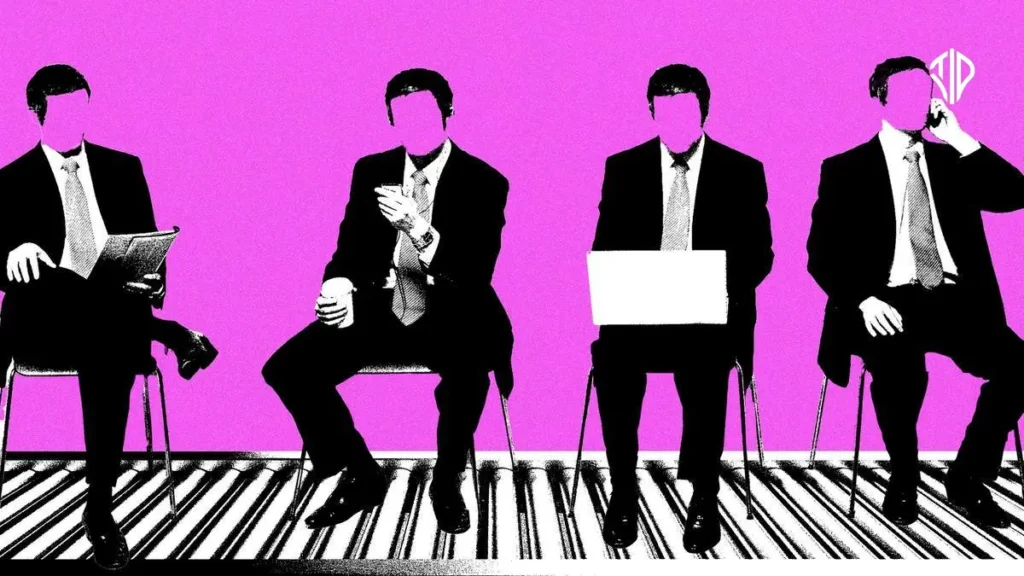
The traditional corporate organizational chart is undergoing a quiet yet profound revolution as autonomous software entities take on formal roles within modern enterprises. As highlighted in recent industry reporting, hundreds of thousands of digital workers are entering the professional ecosystem, assuming responsibilities that range from administrative scheduling to engineering support and marketing oversight. Unlike passive software applications or standard generative chat interfaces, these autonomous agents are designed to execute complex, multi-step workflows independently, challenging how human professionals define teamwork and productivity.
The arrival of these digital agents forces a reassessment of basic workplace taxonomy. For decades, software has been categorized strictly as a tool—an inanimate utility utilized during working hours and closed when tasks are complete. Autonomous agents, however, blur these boundaries by operating continuously, communicating through familiar messaging channels like Slack and Microsoft Teams, and adapting to individual human communication preferences. This shift from tool to teammate prompts both efficiency gains and complex psychological interactions that organizations are only beginning to understand.
Understanding the Rise of Autonomous AI Coworkers
The foundational architecture underpinning modern digital coworkers relies on advanced large language models capable of reasoning, planning, and executing actions across multiple software environments. Platforms from major technology providers, alongside specialized startups, now offer virtual assistants equipped with cloud computing resources, distinct avatars, and specialized professional titles. These agents manage routine busywork such as drafting client follow-ups, writing preliminary software code, and organizing complex schedules, effectively functioning as dedicated chiefs of staff.
This level of integration brings distinct operational advantages. Human workers are frequently constrained by time zones, cognitive fatigue, and professional etiquette. Autonomous agents operate without these limitations, providing continuous production monitoring and immediate administrative support. Furthermore, because these entities lack personal egos, professional neuroses, or susceptibility to office politics, human managers often find they can issue direct, unfiltered feedback and corrections without navigating the social nuances required when managing human colleagues.
The Psychological Dimensions of Human-AI Teams
As companies deploy these systems, tech developers frequently employ humanizing design choices—such as friendly avatars, distinct names, and adaptive conversational styles—to encourage user adoption. While personification helps lower the barrier to entry and makes complex software approachable, it also introduces unexpected psychological variables into the workplace. Research indicates that when managers perceive a task as having been completed by an AI employee rather than an anonymous software tool, their critical oversight can shift, occasionally leading to lower error detection rates due to misplaced trust or anthropomorphic attachment.
Industry leaders hold contrasting perspectives regarding this humanization trend. Some executives argue that fostering familiarity helps build an active and comfortable user base, enabling smoother daily interactions. Others express profound concern that designing systems to trigger human emotional connections exploits cognitive vulnerabilities for software engagement. Critics warn that over-reliance on anthropomorphized workplace agents could blur ethical boundaries and create complex dependency loops within corporate environments.
Navigating Guardrails and the Future of Work
The integration of autonomous agents requires organizations to establish entirely new frameworks for governance, accountability, and operational security. Human resources and management teams are tasked with defining appropriate guardrails that acknowledge both the capabilities and the distinct vulnerabilities of AI systems. Unlike human employees, digital agents do not possess intuitive contextual judgment regarding sensitive company data, requiring strict permissions and oversight protocols to prevent accidental information leaks.
Ultimately, the successful deployment of AI coworkers depends on strategic alignment between productivity goals and transparent workplace communication. Rather than replacing human ingenuity, the most effective implementations position autonomous agents as force multipliers that absorb repetitive administrative burdens. As the technology matures, organizations must balance the undeniable efficiency of digital workers with a clear-eyed understanding of their limitations, ensuring that the human element of leadership and creativity remains central to the modern enterprise.
Key Takeaways
- Autonomous software agents are entering the modern workforce, executing complex multi-step workflows independently.
- Digital coworkers operate continuously across communication platforms like Slack and Microsoft Teams, shifting software’s role from a static tool to an active teammate.
- Humanizing design choices foster user adoption but introduce psychological variables like misplaced trust and anthropomorphic attachment.
- Organizations must implement strict governance, guardrails, and oversight protocols to manage sensitive company data and system vulnerabilities.
Join our community by subscribing to our Weekly Newsletter to stay updated on the latest AI updates and technologies, including the tips and how-to guides.
(Also, follow us on Instagram @tid_technology for more updates in your feed and our WhatsApp Channel to get daily news straight to your Messaging App).
