
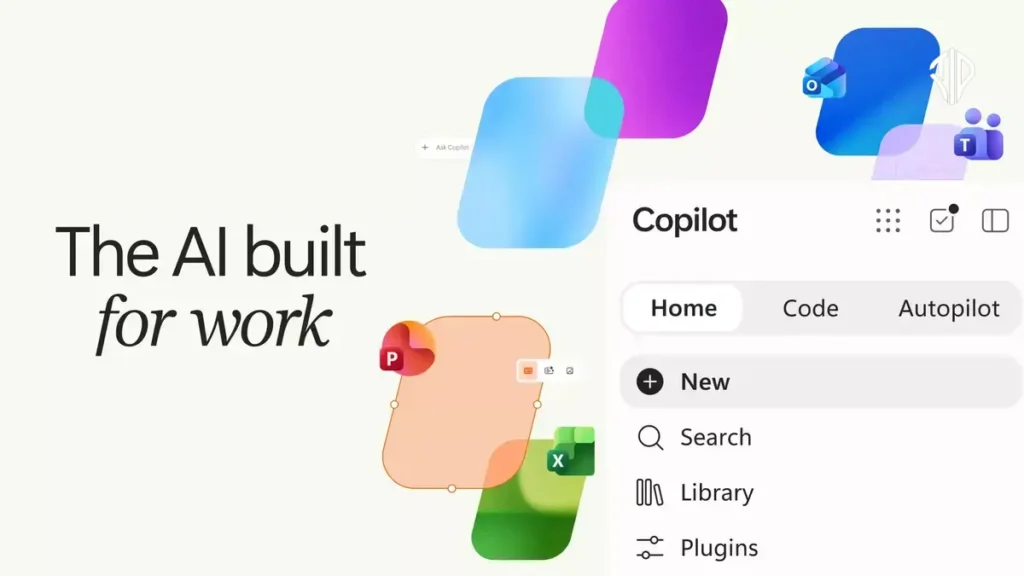
Microsoft is shifting its strategic focus away from branding individual hardware iterations and toward deeply integrated software capabilities. According to recent reports, the tech giant recently unveiled a massive overhaul for its business-focused AI tools. This new suite hands its Copilot assistant significantly more control over everyday office applications, embeds developer toolchains directly into workflow environments, and automatically coordinates complex tasks among team members.
This aggressive evolution aims to transform the digital workspace. Instead of viewing AI merely as a sidebar chat companion, Microsoft leadership envisions an ecosystem where generative models actively run software processes and execute routine administrative functions. CEO Satya Nadella has characterized this architectural leap as a new operating system for work, signaling a departure from traditional desktop interaction models toward conversational and autonomous execution.
Understanding the New Copilot Architecture
The updated Copilot framework is divided into distinct operational modules tailored for different professional workflows. These tools collectively span document creation, software development, and autonomous project management across cloud environments.
The Home module serves as the primary conversational interface for everyday office productivity. Users can chat naturally with the assistant while it inspects files, evaluates active projects, and provides contextual recommendations. Furthermore, Home possesses the capability to take over core Office applications such as Word, Excel, and PowerPoint, autonomously drafting comprehensive documents and presentations for human review.
A subset of this experience, known as Today, aggregates information from multiple corporate channels. It pulls critical details from email threads, team messages, and calendar meetings to generate a unified dashboard that drafts correspondence and proposes schedule optimizations.
Bridging Development and Autonomy
For technical teams, the Code module integrates advanced programming assistance directly into professional developer toolchains. By leveraging specialized contextual awareness, the system interprets natural-language prompts to build functional applications and streamline software engineering tasks.
Meanwhile, the Autopilot module represents the highest tier of workflow automation. Designed to operate continuously in the cloud, Autopilot accepts high-level objectives and specific professional roles. Once initialized, it functions independently 24 hours a day, managing calendars, following up with contacts, and bridging communications across different software programs without requiring further human intervention.
Broader Industry Context and Challenges
This sweeping update arrives immediately following shifts in Microsoft hardware marketing. Industry observers note that the company and partner Qualcomm have scaled back emphasis on the Copilot+ PC brand, acknowledging that consumer enthusiasm for designated AI hardware branding has remained lukewarm.
By pivoting toward cloud-hosted agentic software rather than forcing specific hardware purchases, Microsoft is focusing heavily on software utility. Features like Home and Code are scheduled to enter specialized preview programs shortly, while the autonomous Autopilot tool will undergo restricted testing phases. As these autonomous agents begin managing professional environments, the software industry will closely watch how businesses adapt to delegating complex operational tasks directly to AI systems.
Key Takeaways
- Microsoft is shifting its strategic focus from individual hardware branding to deeply integrated, cloud-hosted software capabilities.
- The revamped Copilot architecture introduces dedicated modules like Home, Today, Code, and Autopilot to handle distinct professional workflows.
- New automation features allow Copilot to actively run Office applications, draft documents, write code, and independently manage schedules 24/7.
- This architectural pivot comes as consumer enthusiasm for dedicated Copilot+ PC hardware branding has remained lukewarm.
Join our community by subscribing to our Weekly Newsletter to stay updated on the latest AI updates and technologies, including the tips and how-to guides.
(Also, follow us on Instagram (@tid_technology) for more updates in your feed and our WhatsApp Channel to get daily news straight to your Messaging App).
