
Meta’s Muse AI and Its Cuddly Mascot Jolly
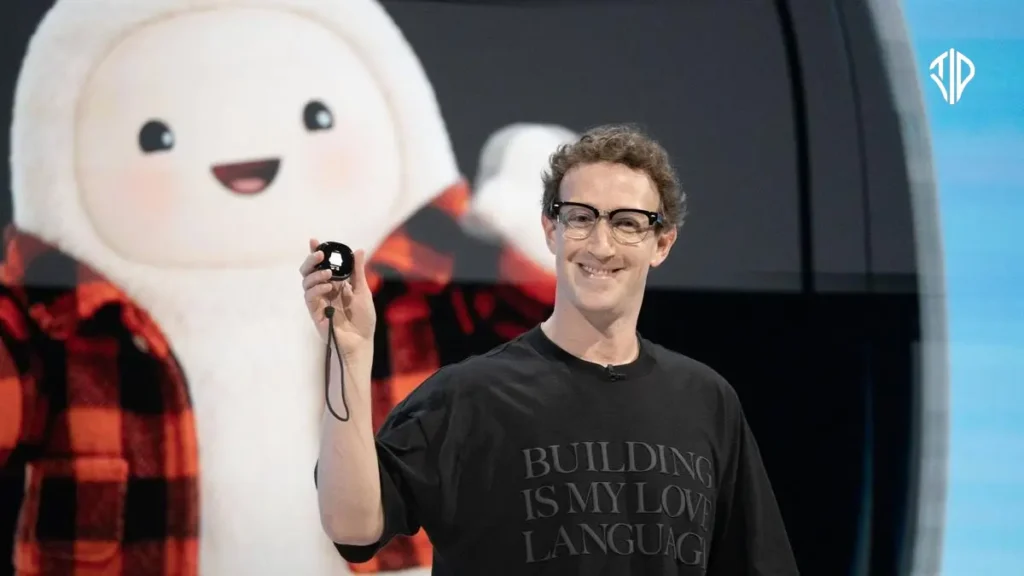
Meta’s latest AI assistant, Muse, has captured the digital spotlight thanks to its customizable, cuddly mascot named Jolly. Dressed in everything from togas to workout gear, Jolly looks strikingly like a modern collectible toy or a preschool television character.
Despite being restricted to users aged 18 and older, the playful aesthetics of Muse have sparked intense debate among marketing experts, privacy advocates, and youth watchdogs. The central tension lies between the whimsical presentation of the AI agent and the corporate reality of the company behind it.
Kawaii Culture and Corporate Strategy
The design strategy behind Muse leans heavily into the Japanese concept of kawaii culture, creating an adorable digital companion. Meta executives have stated that this approach makes interacting with advanced artificial intelligence feel less intimidating than chatting with a cold corporate logo.
However, critics point out that this disarming friendliness serves a strategic psychological purpose. By wrapping complex generative AI in a cute, nostalgic package, tech companies can effectively lower user resistance.
Marketing researchers note that consumer sentiment toward Meta remains complicated following major legal settlements regarding social media addiction. Introducing a warm, approachable character helps the platform rebuild trust and encourage daily engagement.
Ethical Concerns and Data Privacy
Youth advocates have raised immediate concerns about the potential appeal of Jolly to children, especially with upcoming hardware releases like the Tamagotchi-style Muse Charm device. Critics argue that rounded shapes and playful branding naturally draw younger audiences, complicating age-verification efforts.
Beyond visual appeal, technology ethicists warn that cute interfaces can lull users into a false sense of security regarding data privacy. When interacting with an adorable digital character, people are far more likely to drop critical questions about how their information is collected.
By default, Meta trains its underlying AI models on user interactions within Muse unless individuals actively opt out. This ongoing data harvesting highlights the gap between the playful front-end experience and the heavy infrastructure of a major surveillance capitalist enterprise.
Navigating Delegated Trust in the AI Era
As AI agents take on more intermediary tasks in everyday life, users face new challenges regarding delegated trust. Relying on an AI assistant to navigate digital tasks creates a black box where underlying corporate incentives and data sharing agreements remain invisible.
Whether Muse represents a harmless shift toward friendly computing or a sophisticated strategy to bypass consumer skepticism depends on user awareness. As these companions become fixtures in daily life, maintaining digital literacy is essential for navigating the evolving AI landscape.
Key Takeaways
- Meta’s Muse AI features a cuddly mascot named Jolly, leveraging kawaii culture to make advanced AI feel less intimidating.
- Critics and youth advocates warn that the playful design may appeal to children and complicate age-verification, especially with upcoming hardware like the Muse Charm device.
- Ethicists highlight that cute interfaces can create a false sense of security, leading users to overlook data collection practices and default model training.
- Maintaining digital literacy is essential as AI companions take on more intermediary tasks and blur the lines between corporate surveillance and friendly computing.
Join our community by subscribing to our Weekly Newsletter to stay updated on the latest AI updates and technologies, including the tips and how-to guides.
(Also, follow us on Instagram (@tid_technology) for more updates in your feed and our WhatsApp Channel to get daily news straight to your Messaging App).
