
The Evolution of Connected Mobile Ecosystems
Mobile technology has reached a point where software ecosystems are expected to work together seamlessly. Users want their wearables, music apps, and health trackers to share data effortlessly.
Spotify’s Running Mode Innovation
Yet, when it comes to workout audio coaching, one of the most context-aware running features on Android recently came from a music streaming company rather than the platform’s creator.
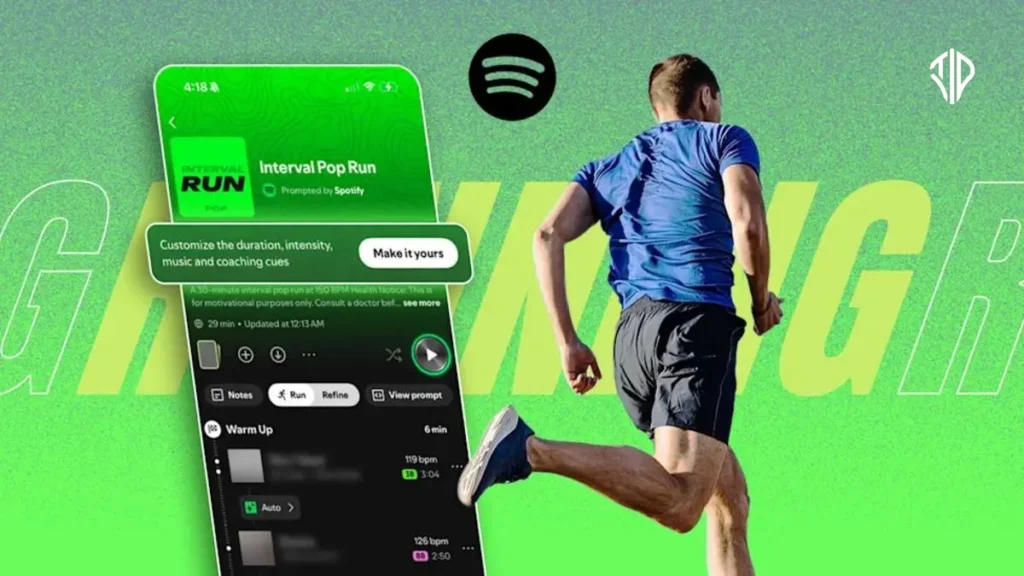
Spotify rolled out its AI-powered Running Mode to subscribers in several major markets. The feature generates a customized playlist based on a user’s running cadence and structured workout routines.
It even provides live audio cues to guide runners through warm-ups, intervals, and cool-downs.
The Google Paradox in Hardware and Software
This development feels ironic because Google frequently showcases connected device experiences during major keynotes. The company emphasizes how Pixel devices, Android, and media services can operate like a single unified brain.
Despite controlling the underlying operating system, a major hardware lineup, and deep health data repositories, Google has not yet built an equivalent feature into YouTube Music.
How Spotify’s Running Mode Operates
Spotify’s Running Mode allows users to pick from dozens of preset routines, set target beats per minute, and generate a soundtrack tailored to their pace.
While the feature provides a polished music experience, it operates based on a static plan rather than real-time biometrics. The playlist maintains the chosen tempo even if a runner slows down or struggles up a steep hill.
Furthermore, the system requires a smartphone connection and does not run independently on Wear OS smartwatches.
Google’s Untapped Potential
Google possesses every technological component required to build a superior alternative. Alphabet controls the Android operating system, develops advanced smartwatches capable of running local AI tasks, and owns extensive fitness tracking algorithms.
Google also operates Health Connect to facilitate biometric data sharing between apps, alongside YouTube Music’s generative playlist capabilities.
Connecting real-time heart rate telemetry from a smartwatch to dynamic music generation in YouTube Music is technically feasible.
If Google integrated these tools into a unified platform, it could create a dynamic running coach that adapts music tempo directly to physical exertion.
Organizational Silos and the Future of Fitness Tech
Organizational silos within large technology conglomerates often slow down cross-platform integration. Until different software and hardware divisions align their roadmaps, music streaming applications will continue to pioneer features that hardware manufacturers should logically own.
Key Takeaways
- Spotify launched an AI-powered Running Mode offering customized playlists and live audio coaching based on cadence.
- Google possesses the OS, hardware, and health data repositories required to build an even more advanced alternative on YouTube Music.
- Spotify’s current implementation relies on static plans rather than real-time biometrics and requires a smartphone connection.
- Organizational silos within conglomerates like Alphabet often delay cross-platform integrations that users expect.
Join our community by subscribing to our Weekly Newsletter to stay updated on the latest AI updates and technologies, including the tips and how-to guides.
(Also, follow us on Instagram (@tid_technology) for more updates in your feed and our WhatsApp Channel to get daily news straight to your Messaging App).
