
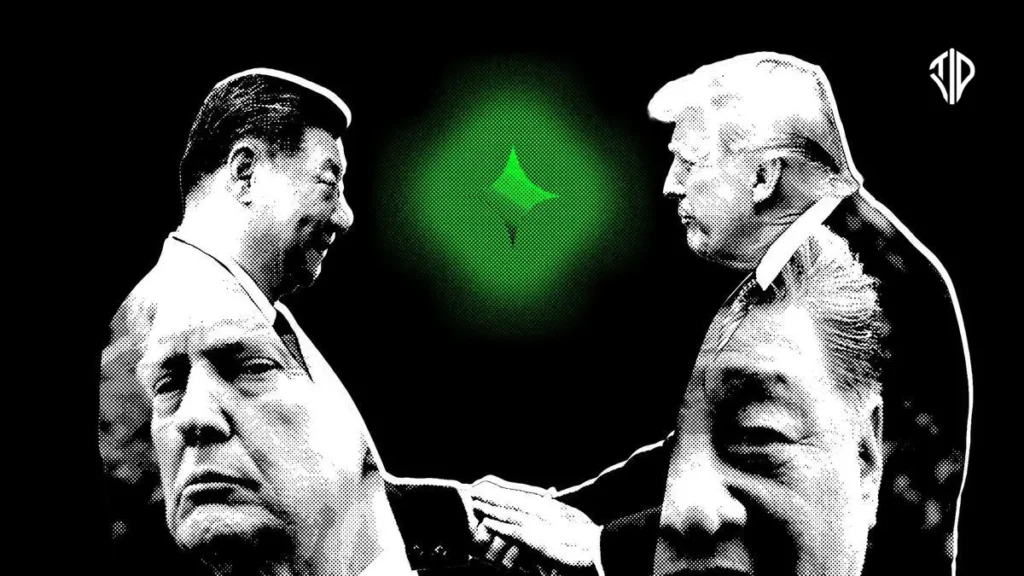
US and China Explore AI Crisis Communication Hotline
As the United States and China compete for global dominance in artificial intelligence, both nations are exploring diplomatic mechanisms to manage potential security crises. High-level discussions are underway to create an AI notification system resembling the Cold War-era Moscow hotline.
The proposed system would allow each nation to alert the other regarding critical national security incidents involving advanced artificial intelligence models. While Treasury Secretary Scott Bessent announced initial progress following talks with Chinese Vice Premier He Lifeng, administration officials indicate that finalizing the agreement will take time.
Hurdles and Leadership Transitions in AI Diplomacy
Several critical hurdles remain before the framework can be fully implemented. Negotiators must establish precise benchmarks defining which incidents trigger a national security alert. Additionally, formal sign-off from Beijing remains unconfirmed as discussions continue.
Another factor influencing the timeline is internal administration restructuring regarding artificial intelligence leadership. Discussions are ongoing regarding who will be appointed to lead interagency coordination as the administration’s primary AI official.
The Urgency of AI Governance and Safety Protocols
The urgency for an AI communication channel stems from the rapidly accelerating capabilities of frontier artificial intelligence models. As both nations deploy increasingly powerful systems, establishing transparent communication channels aims to prevent accidental escalations or misunderstandings.
While policymakers remain optimistic about establishing a foundational framework before the end of the year, technical and diplomatic negotiations will continue through upcoming bilateral meetings. The outcome could set an important precedent for international artificial intelligence governance and safety protocols.
Key Takeaways
- The US and China are discussing a crisis communication hotline for advanced artificial intelligence models, similar to the Cold War Moscow hotline.
- Negotiations still face hurdles, including defining strict security incident benchmarks and awaiting formal sign-off from Beijing.
- Internal administration shifts regarding primary AI leadership are currently influencing the timeline of the agreement.
- Establishing transparent communication aims to prevent accidental escalations and set a precedent for international AI safety protocols.
Join our community by subscribing to our Weekly Newsletter to stay updated on the latest AI updates and technologies, including the tips and how-to guides.
(Also, follow us on Instagram @tid_technology for more updates in your feed and our WhatsApp Channel to get daily news straight to your Messaging App).
