
Rabbit Shifts to Agentic Software with OS3
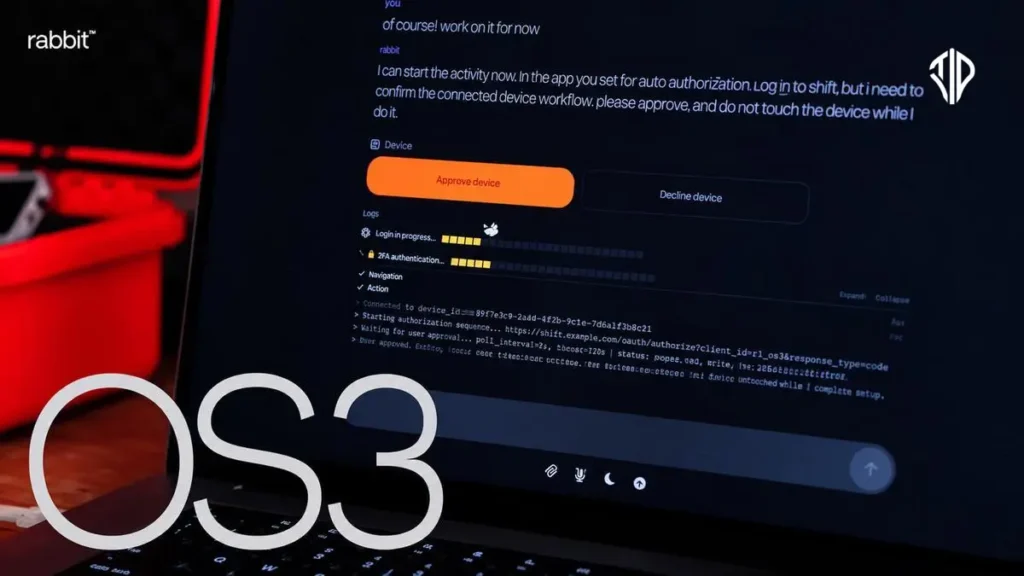
Rabbit is officially shifting its strategy away from dedicated hardware and into agentic software. The company behind the orange R1 AI device has introduced OS3. This new platform brings its automation technology directly to desktop computers and messaging apps.
Capabilities and Cross-Device Integration
Rabbit OS3 uses a local agent that connects to Windows, Mac, and Linux computers. The system interacts directly with local files, desktop applications, and web pages. Rabbit states that the platform can also write and debug code using its Direct Large Action Model technology. Users can access the platform through web browsers, Telegram, iMessage, and the original R1 device.
However, Rabbit is no longer manufacturing the R1. The company is now focusing entirely on software that runs on hardware users already own. Users can link up to five different computers to a single OS3 account. The platform is engineered to route tasks intelligently to the appropriate machine. For instance, a user can send a text message from a mobile phone to update a spreadsheet stored on a home computer.
A Unified Workspace and Flexible Pricing
Rabbit positions OS3 as a unified workspace rather than a standard chat interface. Founder and CEO Jesse Lyu describes it as a brain dump interface where users input a task. The system then gathers the necessary tools and external AI models to finish the job.
The service operates on a bring-your-own-key model to manage costs. Rabbit does not charge a monthly subscription fee for the software. Instead, users must provide their own API keys from providers like OpenAI and Anthropic. Users can also connect local open-source models directly to the platform. The system allows third-party agent skills to be installed from public URLs. This open approach reduces dependency on proprietary models.
Hardware Future and Privacy Assurances
Rabbit plans to release a dedicated Cyberdeck hardware product designed for vibe coding within months. This upcoming device will also run the OS3 software platform.
Rabbit asserts that OS3 does not store or sell local files from user computers. Files remain on the local machine while conversation history is stored on Rabbit servers. When a task needs reasoning, prompts are routed through Rabbit infrastructure to the chosen AI provider. This pivot represents a major test for the company. Rabbit is betting that its agentic workflow ideas perform better as flexible software than as a standalone gadget.
Key Takeaways
- Rabbit is ending R1 hardware production to focus entirely on the OS3 agentic software platform.
- OS3 connects to Windows, Mac, and Linux computers, allowing users to link up to five machines to a single account.
- The platform uses a bring-your-own-key model, requiring users to supply their own API keys from providers like OpenAI and Anthropic instead of paying a monthly subscription.
- Local files remain on user computers for privacy, while prompts are routed through Rabbit infrastructure only when reasoning is required.
- Rabbit plans to release a Cyberdeck hardware product for vibe coding that will also run OS3.
Join our community by subscribing to our Weekly Newsletter to stay updated on the latest AI updates and technologies, including the tips and how-to guides. (Also, follow us on Instagram @tid_technology for more updates in your feed and our WhatsApp Channel to get daily news straight to your Messaging App).
