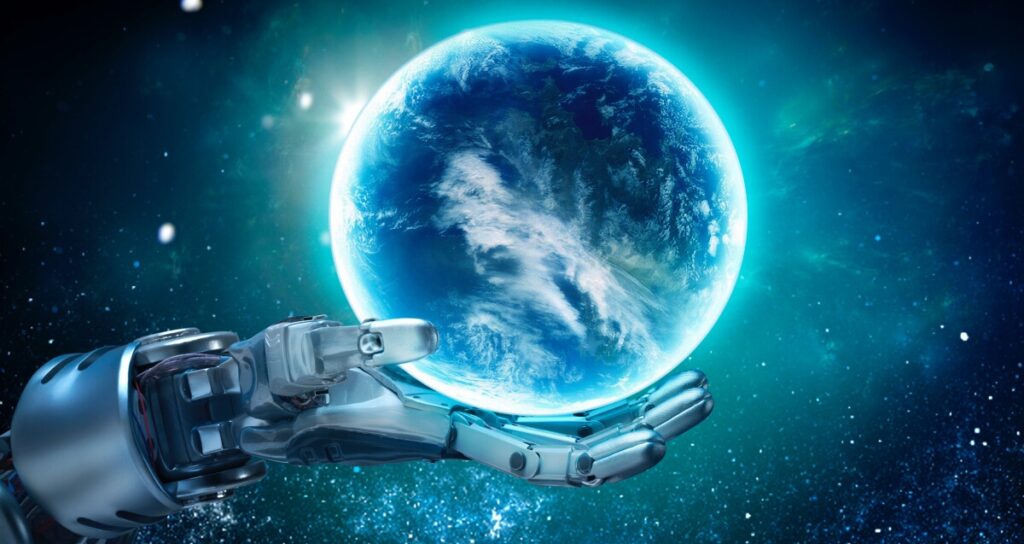
From the moment you begin your day with a toothbrush to the bed you rest on at night, our environment is increasingly filled with artificial and human-made products. While these innovations have historically served humanity’s well-being, the rapid integration of advanced technology into our daily lives is accelerating. This technological surge introduces the potential for unintended consequences, including anti-social behaviors and psychological distress. Many companies are commendably striving to enhance human experience across areas like education, health, love, and even dreams. However, the growing reliance on purely artificial methods to achieve these enhancements raises significant concerns.
Are We Trading Human Connection for Digital Companionship?
Does this shift represent genuine human advancement, or merely offer transient and superficial satisfaction?
Navigating Our Increasingly Artificial World
A news app notification about “lab-made meat” recently sparked a profound question: Why are we heading in this direction? While researchers and scientists are driven to solve global challenges, the emphasis often lies more on *how* to create these artificial solutions rather than *why* they are truly necessary or how to manage their broader implications. This article delves into these pressing questions, exploring the answers behind the rise of artificial innovations.
Perhaps one of the most controversial aspects of this artificial future is the concept of intimacy with robots.
The Rise of Artificial Foods: Lab-Grown Meat, Burgers, and Milk
Artificial, or “clean” meat, is produced by cultivating animal cells outside of a living animal. This innovative process is poised to revolutionize our food systems, with expectations that these products, including lab-grown burgers and milk, will soon be widely available in supermarkets and restaurants.

While initial reactions to cellular agriculture were mixed, arguments emphasizing zero animal cruelty and potential contributions to global hunger reduction have gained traction. However, a significant concern arises when this approach suggests de-emphasizing traditional food production methods. The notion, as seen in an article from The Guardian titled “lab-grown food will soon destroy farming and save the planet,” appears overly simplistic in addressing complex hunger solutions.
Exploring Artificial Love and Intimacy in the Digital Age
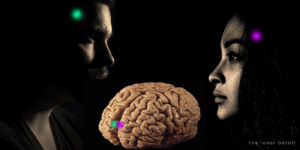
Qualities like love, friendship, intimacy, common sense, kindness, and affection collectively define human uniqueness. The fundamental desire to be loved is universal across all beings. However, as individuals increasingly face challenges in connecting with others, there’s a growing tendency towards seeking affection and companionship from artificial or virtual entities, such as advanced robots and operating systems. The film ‘Her’ vividly illustrated this shift, showing people developing deep emotional attachments to AI. This phenomenon is becoming more normalized, with AI assistants like Alexa serving as prime examples. Even public figures, like Hollywood actor Will Smith, have engaged in highly publicized interactions, such as his date with the humanoid robot Sophia.
Furthermore, technology has extended into the realm of physical intimacy, leading to the development and sale of sex robots. There are even documented accounts, like that of a blogger who shared her experiences of dating and engaging in sexual activity with a male robot, describing it as a positive and empowering encounter.

The Frontier of Artificial Dreams and Dream Control
The concept of artificially influencing dreams represents a significant leap in human technological ambition, moving beyond traditional forms of artificiality. Indeed, researchers have developed methods to potentially shape dream content according to an individual’s desires, often through subtle sensory cues like specific sounds or smells.
MIT’s Dream Lab is at the forefront of this field, developing wearable devices designed to impact dreams. They suggest that these innovations could lead to more restorative sleep, more productive awakenings, and even extend to enhancing daily cognitive functions.
Understanding the Potential Adverse Effects of Artificial Innovations
Considering the implications of artificial food, it’s becoming experimentally feasible to synthesize nutritionally complete food on a large scale. This development could shift national priorities from traditional agriculture and harvesting to industrial food production. As highlighted by The Guardian, the rapid growth of lab-grown food industries might significantly impact farming. For nations like India, where agriculture forms the economic backbone, such a transition could devastate local economies and the livelihoods of millions. Furthermore, it might foster a disregard for natural ecosystems, leading to a mindset where environmental preservation, like planting trees, is deemed less crucial if food can be artificially manufactured.
Explore Our Latest Posts!
- Nvidia CEO shares Tips for students on When & How to Use AI
- How Uber Solved a Big Problem for its Developers using AI Agents?
- Meta Develops a New Wristband That Replaces Mouse & Keyboard
- Google’s New AI “Opal” Lets You Create Mini-Apps for Free: How to Use?
- 10 Most in-Demand Skills: What Students & Freshers Should Learn Now
Join our community by subscribing to our Weekly Newsletter to stay updated on the latest AI updates and technologies, including tips and how-to guides. Also, follow us on Instagram (@inner_detail) for more updates in your feed).
For more interesting informational, technology, and innovation content, keep reading The Inner Detail.