
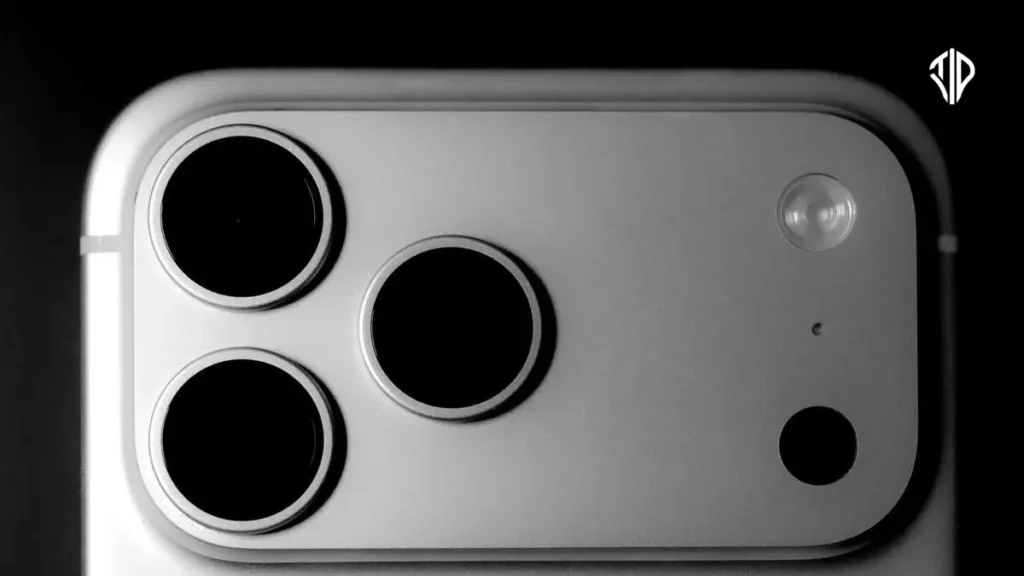
Apple Introduces Reference Image for iPhone 18 Pro
Apple has introduced a new camera feature for the iPhone 18 Pro and iPhone 18 Pro Max designed to tackle the growing proliferation of hyper-realistic AI-generated imagery and digitally altered photographs. Called Apple Reference Image, this opt-in camera mode generates a cryptographically protected digital record of a photograph the moment it is captured.
The technology aims to provide an unbroken chain of custody for digital media by securing the data at the physical hardware layer rather than relying solely on software-based provenance tools applied after capture.
Hardware-Level Security and Cryptographic Signatures
When a user enables Reference Image on the iPhone 18 Pro, the camera sensor restarts in a specialized operating mode. It captures the raw pixel data and immediately applies a cryptographic signature before the image files pass through any standard software processing pipelines.
Apple notes that this approach differentiates the feature from existing authentication standards. Many current systems attach metadata after an image has already traversed the software stack, leaving potential windows for tampering before the file is signed.
The resulting output file functions essentially as a secure digital negative. Stored directly on the device, it bundles the raw pixel data, sensor metadata, and precise cryptographic timestamps into a single non-standard file format that is not intended for typical photo editing workflows.
Alongside the pixel data, the iPhone’s Secure Enclave Processor signs auxiliary capture parameters such as optical zoom levels, lens data, and exposure settings. This information is kept distinct from the sensor data to ensure that metadata adjustments cannot alter the underlying pixel values.
Cloud Validation and Post-Quantum Protection
Because a reference image cannot be directly viewed as a standard photograph, developing the file requires rendering. When a user chooses to process the image, the device transmits the secure negative to Apple’s Private Cloud Compute system for validation.
The cloud infrastructure verifies the authenticity of the sensor and Secure Enclave signatures, confirms that all hardware components belong to the same authorized device, and checks that the processing software has not been compromised. Once verified, the system renders a standard JPEG file.
To ensure long-term security, the final image receives a composite cryptographic signature that combines standard RSA-3072 algorithms with ML-DSA-87, a post-quantum cryptographic protocol. This implementation is designed to protect the integrity of the verification data as computing threats evolve over coming decades.
The system also addresses potential manipulation of capture times by recording a bounded time range rather than relying solely on a single operating system timestamp. The device periodically receives cryptographic time receipts that establish an upper and lower bound around the exact moment of capture.
Privacy and Fraud Mitigation
Privacy remains a core consideration in the system architecture. Reference Images do not incorporate public user credentials that identify the photographer, preventing third parties from tracking or linking multiple distinct photographs back to the same physical camera sensor.
Furthermore, Apple has incorporated a fraud mitigation and revocation mechanism. Private Cloud Compute assigns each reference file a confidence score based on hardware characteristics, allowing Apple to invalidate individual images or entire sensors if security anomalies are detected, all without needing to inspect the visual content of the photograph.
While this advanced mode remains optional and exists alongside the standard camera system on the iPhone 18 Pro lineup, it represents a significant technical step forward. As synthetic media becomes nearly indistinguishable from reality, hardware-level verification mechanisms offer a promising path toward restoring trust in digital photography.
Key Takeaways
- Apple introduced the Reference Image mode for the iPhone 18 Pro and iPhone 18 Pro Max to combat hyper-realistic AI and digitally altered photos.
- The feature creates a secure digital negative at the hardware level, signing raw pixel data and sensor metadata before software processing.
- Validation requires Private Cloud Compute, utilizing advanced post-quantum cryptography (ML-DSA-87) and bounded time receipts for long-term security.
- Privacy is protected as reference images omit public user credentials, while a confidence scoring system allows for fraud mitigation and sensor revocation without inspecting visual content.
Join our community by subscribing to our Weekly Newsletter to stay updated on the latest AI updates and technologies, including the tips and how-to guides.
(Also, follow us on Instagram (@tid_technology) for more updates in your feed and our WhatsApp Channel to get daily news straight to your Messaging App).
