
Understanding the Internet of Things (IoT): A Comprehensive Guide
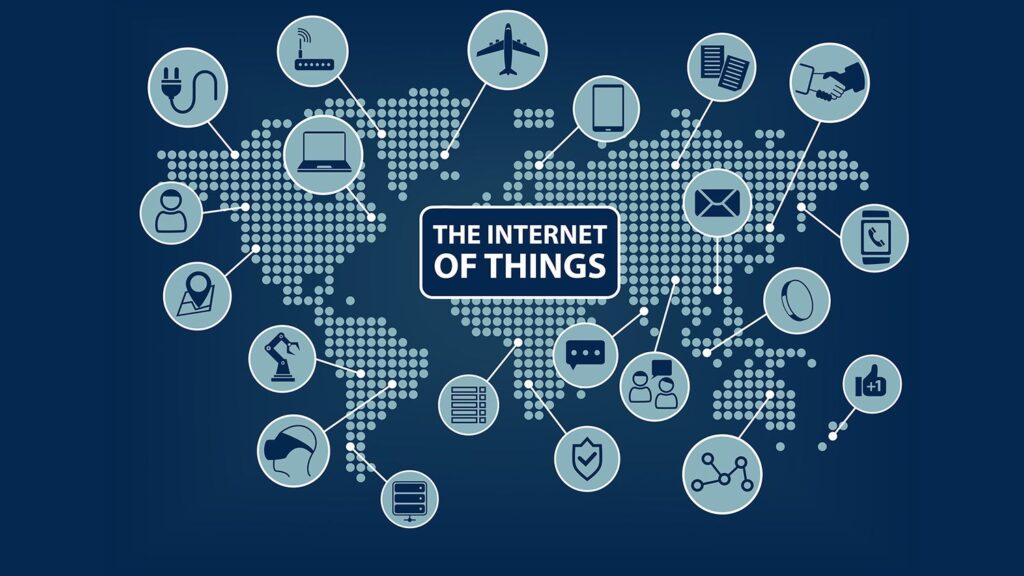
The Internet of Things (IoT) encompasses a vast network of interconnected physical devices and sophisticated machines. These IoT devices seamlessly communicate and exchange data with each other and the internet, often without requiring direct human intervention. This broad definition covers everything from a simple smart light bulb to large-scale industrial jets, provided they are equipped with internet connectivity.
Essentially, any device capable of remote control by another device and designed to transmit data to a network is classified as an IoT device. Achieving this remote control capability typically involves embedding sensors into devices and linking them via a smartphone application or another controlling interface.
This rapidly evolving technology integrates cutting-edge advancements in real-time analytics, machine learning (ML), advanced sensors, and embedded systems. Furthermore, established fields like wireless sensor networks, industrial automation, and robust cloud computing serve as fundamental pillars for the widespread adoption and functionality of IoT.
IoT significantly enhances the intelligence and responsiveness of our physical environments, effectively bridging the divide between the physical and digital realms. A prime and widely understood example of IoT in action is the ‘Smart Home,’ where everyday household appliances such as lighting, fans, and security cameras are connected to smartphone applications, enabling effortless remote management and automation.
The Historical Journey of IoT: Tracing its Evolution
The foundational concept of IoT can be traced back to 1982 with a modified Coca-Cola vending machine at Carnegie Mellon University. This innovative machine is frequently cited as the very first internet-connected appliance, providing real-time inventory updates and even monitoring the temperature of dispensed beverages.
While rudimentary IoT-like devices began to emerge in the 1980s and 1990s, the specific term ‘Internet of Things’ (IoT) was officially coined in 1999 by Kevin Ashton. However, it took another decade for the field to truly expand and diversify, finding applications across various global industries and sectors.
Core Technologies Driving the Internet of Things (IoT)
The fundamental ability for IoT devices to connect to the internet and facilitate data sharing is largely enabled by key technologies such as Radio-frequency Identification (RFID) tags and unique Electronic Product Codes (EPCs).
These crucial technologies assign distinct IP addresses or Uniform Resource Identifiers (URIs) to individual objects, ensuring their unique identification and accessibility over a network. IoT devices then establish internet connectivity using either IPv4 or, increasingly, IPv6, which is preferred for its immense capacity, offering approximately 3.4 × 10^38 addresses.
IoT devices actively analyze and sense their surroundings using real-time analytics, processing and transmitting this valuable information to a central network. Data is then stored and retrieved as needed, underscoring the vital role of cloud computing and high-speed internet connectivity, such as 5G networks, for optimal IoT functionality and performance.
IoT’s Impact on Daily Life: Exploring Consumer Applications

Consumer-oriented IoT products span a wide range, from personal wearable devices like smartwatches and fitness trackers to integrated smart home systems. Smart homes represent a significant driving force in the tech industry, enabling the automation of various aspects of your living space, including lighting, climate control (air conditioning), media entertainment, and security. The ability for smart home devices to sense room conditions and automatically adjust or switch off lights, fans, or air conditioners offers substantial advantages in terms of energy efficiency and cost savings.
By 2020, smart home technology had already achieved mainstream adoption, with numerous companies providing comprehensive solutions for residential automation. For example, Apple’s HomeKit empowers users to seamlessly configure, communicate with, and control various smart home appliances directly via an iOS application. Other prominent standalone platforms, such as Google Home, Amazon Echo, and Samsung’s SmartThings Hub, also extensively leverage IoT, frequently incorporating voice-controlled smart speakers for intuitive and seamless device interaction.

The Transformative Power of IoT in Industry 4.0 and Manufacturing
Industry 4.0 heavily relies on advanced automation to achieve highly efficient manufacturing processes while significantly reducing operational costs. The Internet of Things (IoT) facilitates the seamless integration of diverse manufacturing devices, equipping them with advanced sensing, precise identification, robust processing, reliable communication, efficient actuation, sophisticated networking, and even autonomous decision-making capabilities.
The intelligent management of manufacturing equipment and its network-based data processing define the concept of smart manufacturing. For instance, Industrial IoT (IIoT) enables the remote control and monitoring of virtually any machine or piece of equipment, allowing for the timely identification and swift resolution of malfunctions, thereby vastly improving overall operational efficiency and productivity.
Industrial IoT (IIoT) Projections: A $12 Trillion Global Impact by 2030
Overall, intelligent IoT systems promote the rapid development and creation of new products, enable dynamic responses to evolving market and product demands, and facilitate real-time optimization of complex manufacturing production lines and supply chain networks by effectively connecting machinery, sensors, and control systems.
Revolutionizing Sectors: IoT Applications in Healthcare and Agriculture
The strategic integration of IoT in healthcare enables efficient remote patient monitoring and prompt emergency notifications in response to unusual patient behavior or critical vital sign changes. Medical IoT solutions offer substantial value for overseeing and evaluating hospital wards and patient care. For example, some advanced hospitals have deployed ‘smart beds’ that provide medical professionals with detailed insights into patient movements, such as attempts to get up, and offer necessary support without requiring constant nursing intervention.
According to a Goldman Sachs report titled ‘IoT in Medical & Health Care,’ the United States stands to save an estimated $300 billion by effectively implementing IoT solutions in hospitals and various healthcare facilities. In the agricultural sector, IoT primarily assists in understanding crucial soil nutrient composition, promptly alerting farmers to any observed deficiencies that require targeted supplementation for optimal crop growth.
Navigating Challenges: Addressing IoT Adoption Hurdles
The widespread adoption of IoT technologies faces several significant hurdles, primarily centered on critical concerns regarding privacy, robust security, and paramount safety. The inherent networked nature of IoT devices makes them inherently vulnerable to unauthorized access and potential control by malicious third parties.
Addressing IoT Interoperability Challenges
Despite the widely recognized transformative potential of IoT, both industry leaders and everyday consumers frequently encounter obstacles hindering its broader implementation. As Mike Farley highlighted in Forbes, while many IoT solutions often appeal strongly to early adopters, they frequently lack seamless interoperability across different platforms or a clear, compelling use case that resonates with general end-users. An Ericsson study focusing on IoT adoption among Danish companies further revealed that many businesses struggle to articulate the precise, tangible value that IoT can offer them.
Key Privacy Concerns in IoT Ecosystems
Consider smart homes, for example: appliances connected within a network constantly share sensitive data, which some experts argue makes them vulnerable to potential surveillance. These IoT devices meticulously analyze home environments and transmit data for automated control; however, a skilled individual could potentially exploit network vulnerabilities to manipulate or gain unauthorized access to these devices. It’s a widely acknowledged fact that popular voice assistants like Amazon Alexa and Apple Siri are designed to constantly listen to ambient conversations, raising legitimate privacy concerns.
Strengthening IoT Security: Essential Objectives
Security unequivocally remains the paramount concern for the Internet of Things. Robust IoT frameworks are meticulously designed to significantly enhance existing security regulations, aiming for much stricter authorization controls over devices and proactively preventing unauthorized third-party access. Fundamentally, an effective IoT system requires achieving four core security objectives:
- Data confidentiality: Ensuring that unauthorized parties absolutely cannot access transmitted or stored data.
- Data integrity: Detecting any intentional or unintentional corruption of data during transmission or storage processes.
- Non-repudiation: Guaranteeing that a sender cannot legitimately deny having sent a specific message or performed an action.
- Data availability: Ensuring that transmitted and stored data consistently remains accessible to authorized parties, even in the event of disruptive Denial-of-Service (DoS) attacks.
Critical IoT Safety Considerations and Risks
Safety stands as a primary barrier to widespread IoT adoption. IoT devices are inherently susceptible to being taken over or manipulated by external malicious parties. For instance, if your IoT-enabled vehicle is linked to a smartphone application, unauthorized access to that app could potentially grant someone control over your vehicle. Similarly, an IoT-powered heater could be maliciously switched off during a cold night while occupants are asleep, highlighting critical safety vulnerabilities and the potential for real-world harm.
The Future Landscape of IoT: Smart Cities and Emerging Horizons
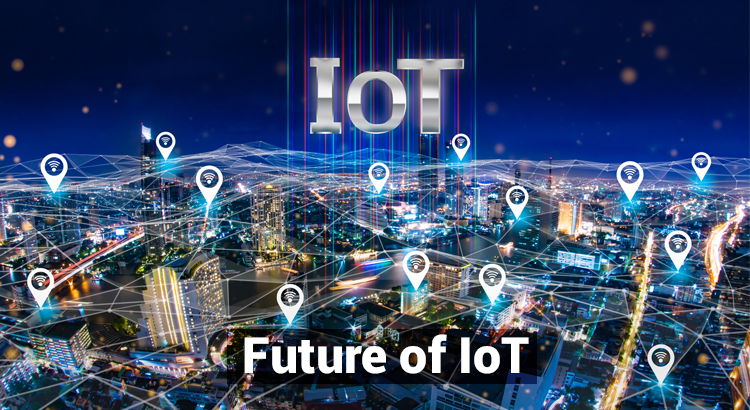
IoT technologies are already extensively deployed across the globe, actively transforming urban environments into intelligent ecosystems. For instance, Songdo, South Korea, boasts an impressive 70% of its infrastructure equipped with wired IoT systems. Similarly, Santander, Spain, has strategically integrated over 10,000 sensors throughout the city, offering innovative services like smart parking guidance, real-time environmental monitoring, and a digital city agenda all accessible via a dedicated mobile application.
Further explore 5G, the foundational technology supporting crucial IoT advancements and enabling next-generation connectivity.
The ongoing evolution of IoT is increasingly gravitating towards leveraging machine learning for achieving fully autonomous operation. This includes harnessing the power of ‘deep reinforcement learning,’ which will empower individual IoT devices with highly advanced decision-making capabilities, allowing them to intelligently adapt automatically to dynamic and complex situations without human intervention.
While extensive research continues to actively address existing privacy and security challenges, the visionary concept of fully smart cities and interconnected nations powered by advanced IoT systems is rapidly approaching reality.
Innovation’s Unstoppable Path in IoT
References:
- What is the IoT? Everything you need to know about the Internet of Things right now | ZDNet – www.zdnet.com
- The Internet of Things (IoT): An Overview | Internet Society www.internetsociety.org
- Internet of things – Wikipedia en.wikipedia.org
Join our community by subscribing to our Weekly Newsletter to stay updated on the latest AI updates and technologies, including the tips and how-to guides. (Also, follow us on Instagram (@inner_detail) for more updates in your feed).
(For more such interesting informational, technology and innovation stuffs, keep reading The Inner Detail).





Pingback: What is Web of Things (WoT)? & how it relates to IoT? – The Inner Detail
Pingback: Future Technology Trends & Opportunities – The Inner Detail