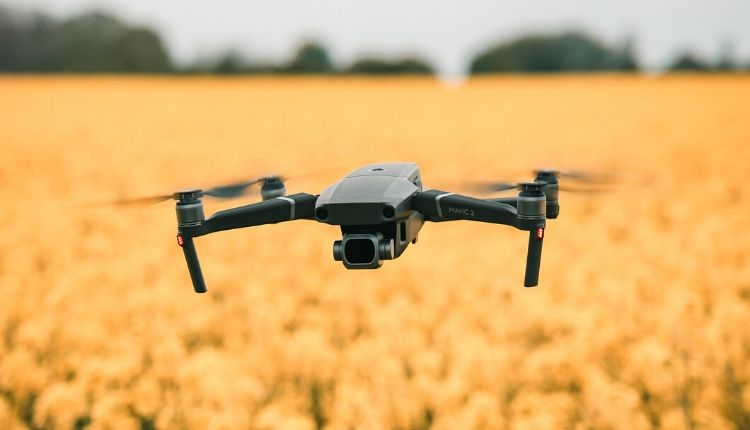
Drones, often defined as “unmanned aircrafts,” are specialized vehicles designed for various aerial applications, remotely controlled from the ground. Essentially, modern drones represent an advanced evolution of unmanned aerial vehicles (UAVs).
Understanding Unmanned Aerial Vehicles (UAVs)
Unmanned Aerial Vehicles (UAVs) are aircraft designed to operate without an onboard human pilot. These advanced systems are part of a larger Unmanned Aircraft System (UAS), where the aircraft is controlled remotely from a ground-based station. Operators can use devices like smartphones or joysticks, or manage flight from a dedicated control room. Furthermore, some UAVs achieve a high degree of autonomy through onboard computers, allowing them to fly and maneuver independently based on pre-programmed instructions.
The origins of UAVs trace back to the 1920s, initially serving military purposes as remotely-flown target aircraft. Today, military forces remain significant users of these unmanned aerial systems, often deploying them as drones for precision attacks with missiles, controlled safely from ground stations.
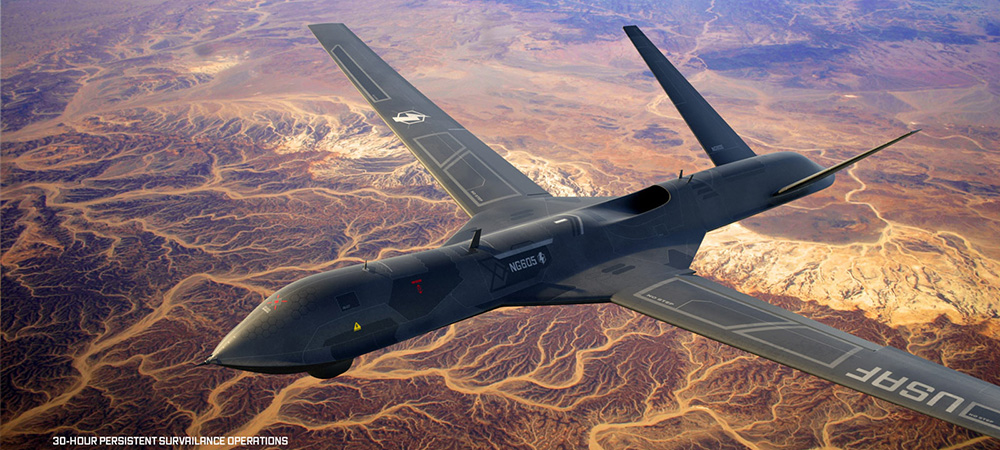
Approximately 90% of military UAVs are fixed-wing aerial vehicles, necessitating a runway for takeoff and landing. These robust unmanned aircraft are engineered to operate at altitudes up to 9,000 meters and cover ranges exceeding 200 kilometers. Unlike manned aircraft, they lack cockpits or life-critical systems, focusing instead on carrying diverse payloads. An effective UAV must efficiently adapt to various payloads—such as cameras or other specialized equipment—while maintaining agile, bird-like maneuverability. While military UAVs historically dominated the market, the 21st century has seen a significant surge in civilian UAVs, particularly quadcopters, commonly known as ‘drones,’ with over a million units now in use.
The World of Drones: Capabilities and Applications

Drones have been operational for many years, with their widespread adoption continuously growing across diverse civilian and commercial sectors. Today, drone technology is even integrated into events like weddings, capturing stunning aerial shots of the celebration. But what exactly defines a drone, and how do they function?
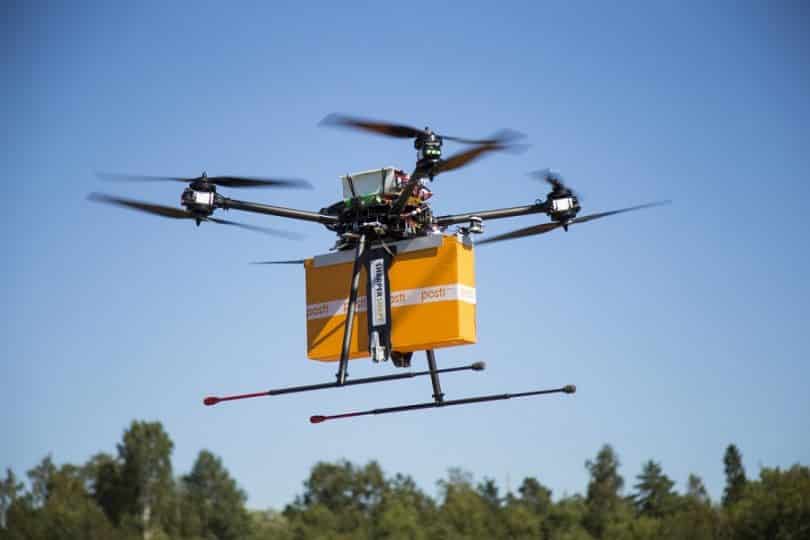
Drones are precisely “unmanned aircrafts” engineered for various aerial applications, capable of navigation through remote ground control. These versatile devices are extensively utilized for civilian purposes, including professional photography, package delivery, and numerous other tasks. Many drones can maneuver autonomously, operating without direct human control or even beyond the operator’s line of sight. Unlike fixed-wing aircraft, most drones utilize rotary-type aerial lift, allowing them to take off and land vertically from virtually any surface, simplifying aerial movements. Drones, especially quadcopters, are constructed from lightweight composite materials to minimize weight, enhancing their maneuverability and flight performance. They can be outfitted with advanced equipment such as high-resolution cameras, GPS for navigation and guided missions, various sensors, cargo space for deliveries, and essential software and hardware components.
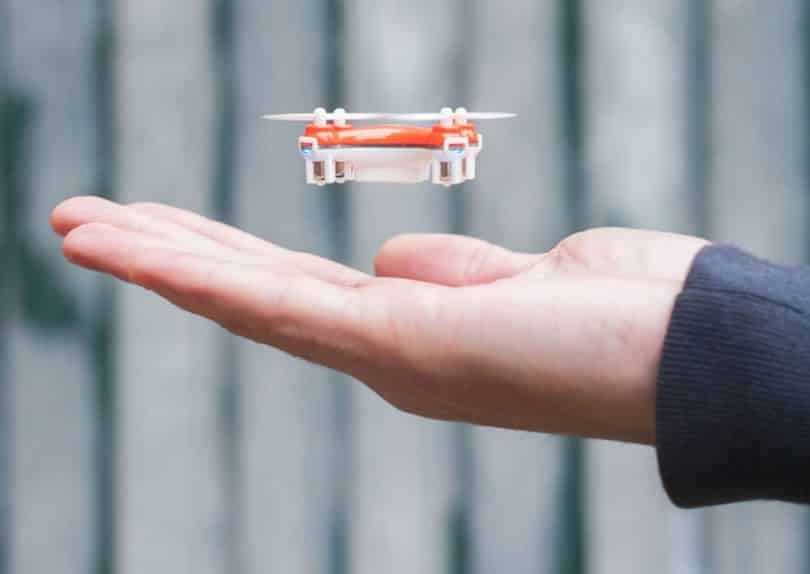
Drones are broadly categorized into three main types:
- Mini-drones: These compact devices fit in the palm of your hand, designed for short-range aerial coverage and basic sensing applications.
- Tactical Drones: Covering a range of small, medium, and large sizes, these drones can fly for hours and reach altitudes of up to 322 kilometers.
- Strategic Drones: Primarily employed for military operations, strategic drones are built for extended endurance, capable of flying for days while carrying significant weaponry.
Did You Know?

Drone racing is an exciting sport where participants pilot camera-equipped "drones" while wearing head-mounted displays that stream live camera feeds from their aircraft. Much like traditional air racing, the objective is to complete a predefined course as rapidly as possible, showcasing incredible skill and precision.
How Drones Operate: Key Components Explained
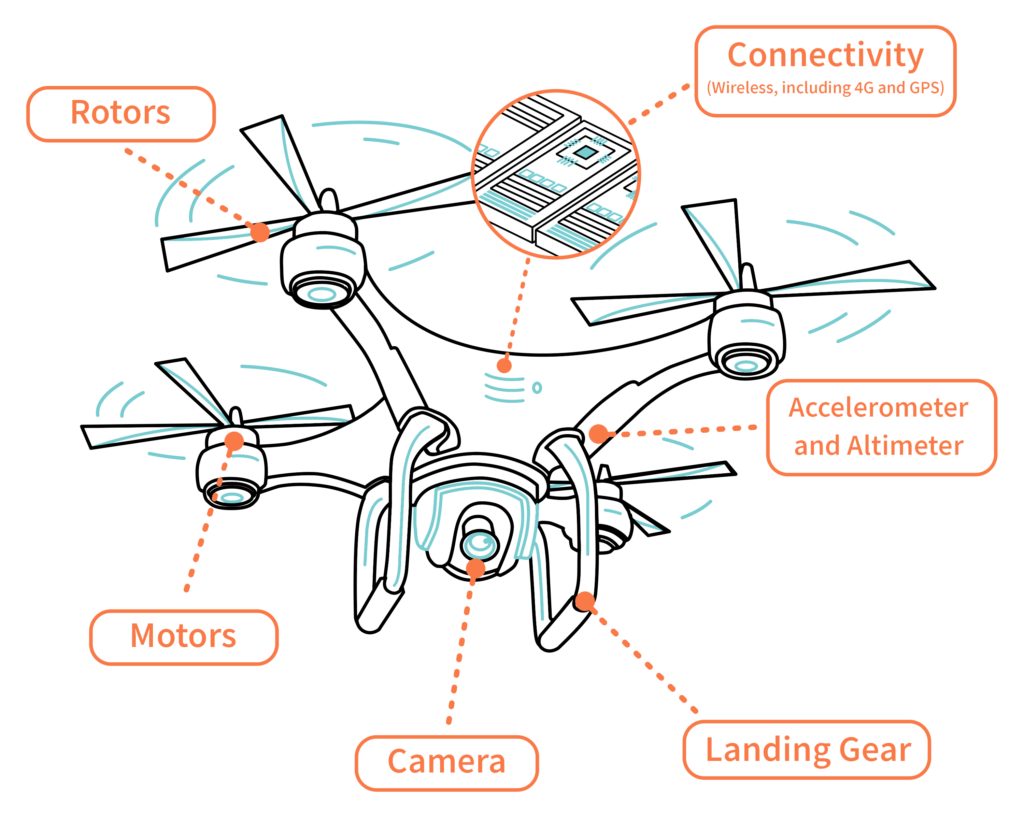
To truly understand how a drone functions, it’s essential to analyze its distinct components and their roles in facilitating flight and operation.
Powering Drones: Battery Technology
For any drone to operate effectively, a reliable power source is crucial. Small, rechargeable batteries are integrated into drones to supply the necessary energy for their various functions.
These power resources must be lightweight to enhance maneuverability. Typically, they provide approximately 10 to 30 minutes of flight time for smaller drones. Lithium-Polymer (Li-Po) batteries are a dominant choice for drone power due to their efficiency and energy density. While Li-Po batteries power mini and tactical drones, larger strategic drones often utilize jet engines, enabling them to remain airborne for several days.
Drone Connectivity and Control Systems
Drones establish navigation and control through sophisticated communication systems, primarily relying on radio signals or advanced GPS-powered systems in modern models.
The remote control device, which can range from a dedicated controller with an antenna to a smartphone app, facilitates communication with the drone. This is typically achieved via 2.4 Gigahertz radio signals or through GPS coordinates connected via Wi-Fi, enabling automated flight paths. A key wireless feature for drone operators is the real-time tracking of battery charge, which is vital given the smaller, lightweight batteries drones employ to maintain agility.
Many contemporary drones also offer a ‘follow me’ mode, utilizing your mobile device’s GPS signal to autonomously track and follow your movements.
Achieving Flight: Rotors and Propellers
Even the most advanced drones are impractical without the ability to fly. Lift is the fundamental principle that enables drones to be productive, requiring smooth and stable aerial movement. Rotors and propellers are instrumental in achieving this essential lift.
Typical civilian drones feature four electric rotors, each connected to a propeller. Two of these propellers rotate in opposing directions relative to the other two, generating the necessary thrust and torque for effective aerial lift and precise maneuvers. Due to their four-rotor and propeller configuration, these drones are widely known as quadcopters.
While adding more rotors can enhance a drone’s stability for automated functions, it also increases the overall weight, demanding greater power for lift. Drone design and simulation play a critical role in optimizing lift capabilities. It’s also worth noting that most consumer drones typically offer a flight time of only 15 to 20 minutes.
Precision Flight: Accelerometers, Gyroscopes, and Sensors
On-flight maneuverability, including navigation and directional changes, is precisely managed by accelerometers, gyroscopes, and various other sensors.
An accelerometer provides the drone with crucial data regarding its speed and direction, while an altimeter communicates its current altitude. These integrated features are vital for enabling a drone to land slowly and safely, effectively preventing it from entering an unpredictable air vacuum or ‘wash’ that could cause instability. Working in conjunction with accelerometers, gyroscopes detect linear acceleration, tilt, and other directional cues, ensuring the drone maintains stable flight during its operations.
To achieve a directional turn or “drift,” two of the drone’s rotors increase their speed on one side, creating a tilt that steers the aircraft in the desired direction. Varying the speeds of individual propellers allows for further precise and conclusive directional adjustments.
Drone Sensor Technology
Sensors play a critical role in drone functionality, often acting as actuators to detect and manipulate rotor speeds, which in turn controls tilts and movements. Beyond flight control, many advanced drones also incorporate specialized sensors dedicated to accomplishing specific task-oriented objectives.
The Future of Drone Technology: Market & Applications
Entry-level civilian drones can be found for under $60, serving as basic models. More advanced options, such as the DJI Phantom series and FC 40 Phantom 2 Vision+, are available for under $1000, offering impressive capabilities like flight up to 92 meters and 25 minutes of endurance. The Parrot AR. Drones 2.0, priced around $400, provide flight at 50 meters for up to 30 minutes. Many of these consumer drones come equipped with high-definition 720p and 1080p recording cameras.
Projections indicate that drone technology is poised for significant growth, potentially creating over 100,000 jobs and contributing billions to the economy in the coming decade. The contemporary world has rapidly embraced drone applications across various sectors. Beyond popular uses like photography, aerial videography, and package delivery, drones are increasingly vital for search and rescue missions, security surveillance, simultaneous localization and mapping (SLAM), agricultural monitoring, and much more.
Despite the Federal Aviation Administration (FAA) regulating or banning civil and commercial drone use in various regions, including parts of the US, quadcopters are still extensively utilized, performing approximately one-third of all military operations.
Drone technology continues to advance rapidly, broadening its applications each year. It won’t be long before services like ‘Amazon Prime Air Service’ deliver packages via drones, promising rapid deliveries within 30 minutes to an hour. The future of drone integration is fast approaching.
Educate, innovate, and adapt to the evolving world of technology!
References:https://en.wikipedia.org/wiki/Unmanned_aerial_vehiclehttps://www.mydronelab.com/blog/what-is-a-drone.htmlhttps://science.howstuffworks.com/transport/flight/modern/drones.htmhttps://www.ctia.org/news/up-up-and-away-how-do-drones-work
Join our community by subscribing to our Weekly Newsletter to stay updated on the latest AI updates and technologies, including tips and how-to guides. Also, follow us on Instagram (@inner_detail) for more updates in your feed.
For more interesting informational, technology, and innovation content, continue reading The Inner Detail.