
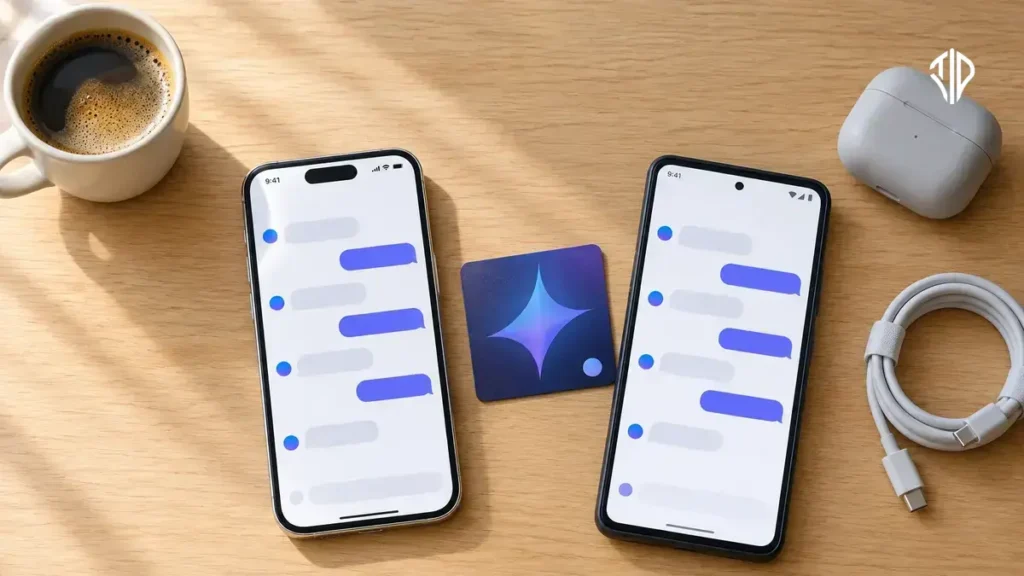
OpenAI is fundamentally changing how people interact with artificial intelligence by integrating its proactive agent features into everyday communication channels. According to recent reports, users can now text, send photos, or transmit voice notes directly to their AI assistant via standard messaging platforms.
This development marks a significant shift from traditional app-based AI interactions. Previously, users had to open dedicated applications on mobile or desktop devices to engage with advanced automation tools, creating a slight barrier to seamless, continuous workflow management.
The core technology behind this update relies on proactive agents designed to handle persistent tasks in the background. Instead of waiting for a prompt inside a closed app environment, the AI can now reach out through standard text messaging when a task requires attention or new information becomes available.
Understanding Proactive AI Agents
A proactive AI agent is an autonomous software program capable of monitoring data sources, tracking progress, and initiating communication without constant human prompting. Unlike standard conversational models that respond strictly when spoken to, proactive systems anticipate needs and deliver insights at relevant moments.
When integrated into messaging standards like Apple’s iMessage or Rich Communication Services, the AI essentially acts as an automated contact in your phone book. You can assign it long-term tasks, such as tracking specific online topics or organizing complex schedules, and let it run in the background.
By moving these capabilities into native text streams, OpenAI eliminates the friction of switching between dedicated productivity tools and daily communication apps. Users no longer need to check an auxiliary dashboard to see if a delegated task has been completed.
How iMessage and RCS Integration Works
The new integration leverages the built-in messaging frameworks of modern smartphones, bridging artificial intelligence with the communication protocols millions of people use every day.
Users can initiate interactions using multimedia formats that fit their immediate context, whether that involves typing a quick instruction, uploading a photo for analysis, or recording a fast voice note. The system processes these inputs securely and stores ongoing task parameters.
Because the feature utilizes iMessage for Apple devices and RCS for cross-platform messaging, communication remains encrypted and familiar. The AI interacts within the familiar chat bubble format, making assistant management feel remarkably similar to texting a human colleague or family member.
Practical Everyday Use Cases
The ability to text an AI assistant opens up numerous practical applications for personal and professional organization.
- Task delegation: Assigning background chores such as monitoring market changes, summarizing long documents, or tracking travel logistics.
- Multimedia input: Snapping a photo of a complex diagram or receipt and texting it to the assistant for immediate extraction or analysis.
- Voice note commands: Speaking naturally to the AI while on the move, allowing it to transcribe, comprehend, and execute multi-step instructions.
- Proactive alerts: Receiving timely updates directly in your notification center without needing to open a separate web browser or application.
Addressing Security and Privacy Concerns
Introducing AI agents into personal messaging channels naturally raises questions regarding data privacy and security.
OpenAI has designed the system to maintain strict privacy boundaries, ensuring that personal text threads remain secure between the user and the designated AI agent. Because the interactions occur over established messaging channels, they inherit the baseline security features inherent to those communication protocols.
Users maintain full control over what information is shared and when the agent is allowed to initiate outbound messages, preventing unwanted spam or excessive notifications during busy hours.
The Broader Impact on Personal Productivity
This strategic move by OpenAI highlights a larger industry trend toward ambient computing, where artificial intelligence operates invisibly in the background of everyday life.
By meeting users inside their preferred messaging environments, technology companies are lowering the adoption barrier for advanced automation. People who might otherwise ignore complex productivity software can now utilize sophisticated AI workflows simply by sending a text message.
As mobile operating systems and artificial intelligence continue to converge, tools like iMessage and RCS integrations will likely become the standard interface for personal digital assistants.
Key Takeaways
- OpenAI integrates proactive AI agents into everyday messaging apps like iMessage and RCS.
- Users can text, upload photos, or send voice notes directly to interact with their personal AI assistant.
- Proactive systems monitor tasks in the background and reach out automatically when updates are ready.
- Built-in messaging encryption and user-controlled settings ensure robust security and privacy.
Join our community by subscribing to our Weekly Newsletter to stay updated on the latest AI updates and technologies, including the tips and how-to guides.
(Also, follow us on Instagram (@tid_technology) for more updates in your feed and our WhatsApp Channel to get daily news straight to your Messaging App).
