
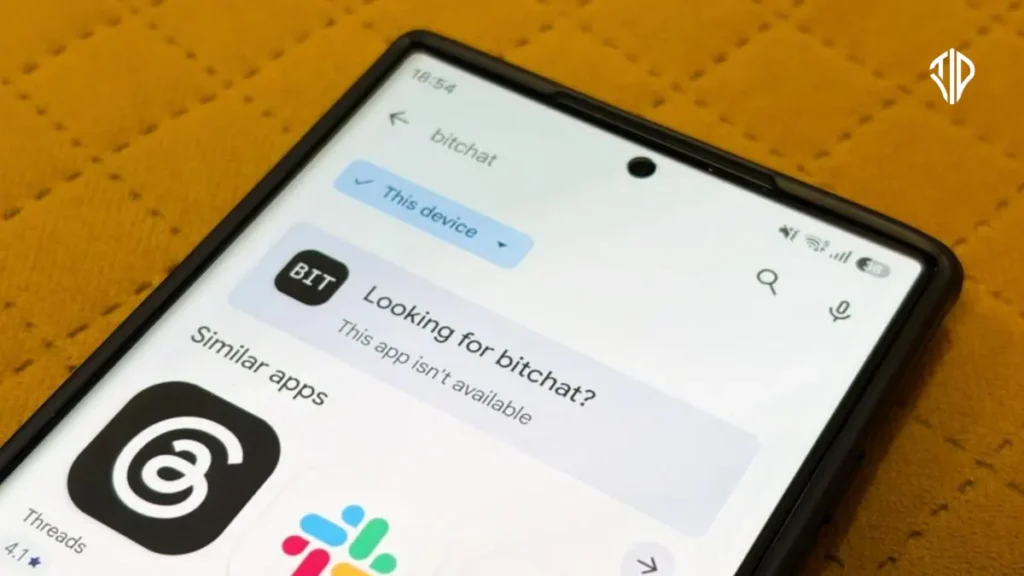
Decentralized communication tools face mounting regulatory hurdles as recent industry reports confirm that the offline messaging application Bitchat has been removed from major digital marketplaces in India. The software, which relies on alternative networking protocols to function without standard internet connectivity, can no longer be downloaded through official mobile storefronts.
Platform creators and digital rights advocates are closely monitoring the situation as government authorities tighten oversight over encrypted and peer-to-peer applications. The restriction underscores the complex legal landscape governing modern communication software operating across international borders.
Understanding Bitchat and Its Architecture
Bitchat is an open-source messaging platform designed to operate independently of traditional cellular networks and internet service providers. By utilizing local mesh networking techniques, the application allows users to communicate directly with nearby devices using Bluetooth and peer-to-peer radio frequencies.
This architectural model makes traditional centralized server blocking ineffective because messages bounce from device to device rather than routing through corporate infrastructure. Proponents argue such tools provide essential emergency communication channels during network outages or infrastructure disruptions.
Regulatory Action Under Section 69A
The removal of the application stems from an official directive issued by the Ministry of Electronics and Information Technology. The government invoked Section 69A of the Information Technology Act, which grants authorities broad powers to block public access to digital information in the interest of national security and public order.
Apple and Google received formal compliance notices requiring the immediate delisting of the software from their respective regional app stores. Failure to comply with these statutory takedown orders carries significant legal and operational penalties for digital platform operators.
Implications for Decentralized Software
The enforcement action against Bitchat highlights the ongoing tension between sovereign regulatory frameworks and decentralized technology development. As developers continue to build resilient communication tools designed to bypass standard digital checkpoints, governments are adapting their legal frameworks to regulate peer-to-peer distribution.
This regulatory friction raises important questions about the future availability of open-source privacy tools. Software creators must navigate increasingly stringent compliance requirements while striving to maintain the foundational tenets of decentralized connectivity.
Key Takeaways
- Bitchat has been removed from major digital app stores in India following government orders.
- The application uses mesh networking, Bluetooth, and peer-to-peer radio frequencies to function without traditional internet connectivity.
- The takedown was enforced under Section 69A of the Information Technology Act by the Ministry of Electronics and Information Technology.
- This regulatory action highlights the growing legal challenges facing decentralized and open-source communication tools worldwide.
Join our community by subscribing to our Weekly Newsletter to stay updated on the latest AI updates and technologies, including the tips and how-to guides.
Also, follow us on Instagram (@tid_technology) for more updates in your feed and our WhatsApp Channel to get daily news straight to your Messaging App.
