
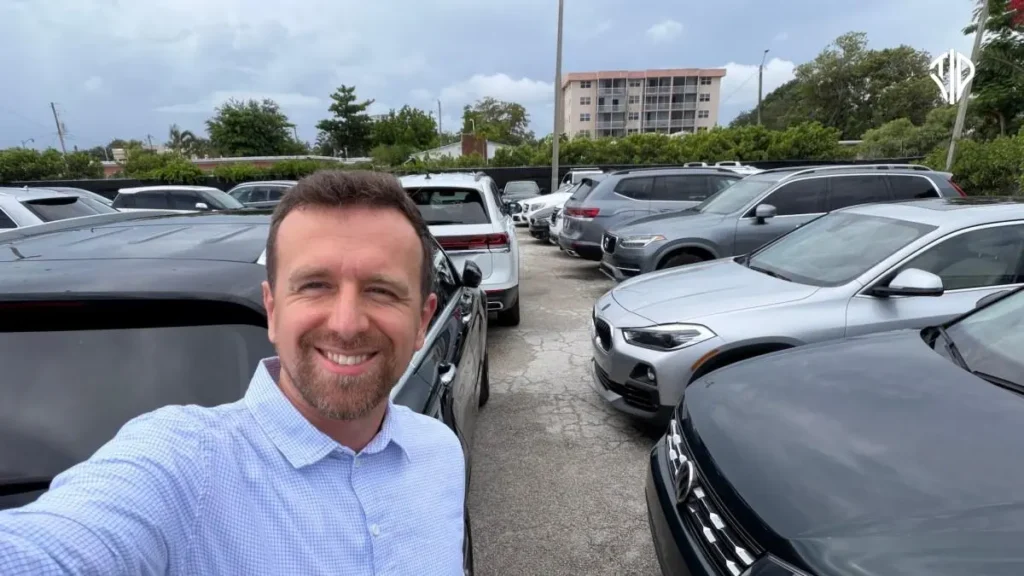
Automotive inventory management is undergoing a significant digital shift as new business models target the billions of dollars tied up in parked vehicles. According to recent industry observations, platforms like MyMonthlyCar are emerging to bridge the gap between unsold dealership assets and drivers seeking flexible mid-term transportation.
Traditional rental agencies often cater to short-term tourists or daily commuters, leaving a distinct gap for consumers needing a vehicle for several consecutive months. Dealership lots, meanwhile, frequently house rows of inventory that experience continuous depreciation without generating immediate financial returns for the business.
The core concept relies on utilizing existing idle assets to generate passive income streams for dealership owners while offering consumers more cost-effective alternatives to traditional leasing or long-term car rentals. This model reframes stagnant physical assets as dynamic micro-rental fleets.
The Economics of Idle Inventory
Millions of vehicles sit on lots globally, losing monetary value daily due to age, market fluctuations, and environmental exposure. Dealerships bear the holding costs of these vehicles, which tie up operational capital that could otherwise be deployed elsewhere.
By converting static inventory into active rental vehicles during slow sales cycles, businesses can offset holding costs and maintenance overhead. This approach introduces a shift in automotive retail thinking, moving from static sales models toward utilization-based revenue generation.
Challenges in Peer-to-Peer and Dealer Rentals
Implementing a scalable vehicle-sharing or rental framework from existing inventory involves managing several logistical hurdles. Insurance liabilities, routine maintenance schedules, cleaning protocols, and wear-and-tear documentation require robust digital management systems.
Trust and security remain primary concerns for dealership operators who must ensure vehicles are returned in pristine condition. Technology platforms must integrate telematics, automated background checks, and digital key handoffs to streamline the process securely.
Broader Implications for Future Mobility
The intersection of fintech, software platforms, and traditional automotive sales indicates a broader movement toward asset optimization. As transportation-as-a-service models mature, dealerships may increasingly function as localized mobility hubs rather than mere sales showrooms.
Consumers benefit from expanded flexibility, avoiding the rigid financial commitments of multi-year car loans or expensive corporate rentals. Ultimately, platforms targeting idle inventory highlight how digital innovation continues to find efficiency in traditional industrial sectors.
Key Takeaways
- New platforms are converting unsold dealership inventory into flexible mid-term rental options.
- Dealerships can generate passive income and offset vehicle depreciation during slow sales cycles.
- Advanced digital systems like telematics and automated checks ensure security and maintenance management.
- The shift moves traditional showrooms toward becoming utilization-based mobility hubs.
Join our community by subscribing to our Weekly Newsletter to stay updated on the latest AI updates and technologies, including the tips and how-to guides.
(Also, follow us on Instagram (@tid_technology) for more updates in your feed and our WhatsApp Channel to get daily news straight to your Messaging App).
