
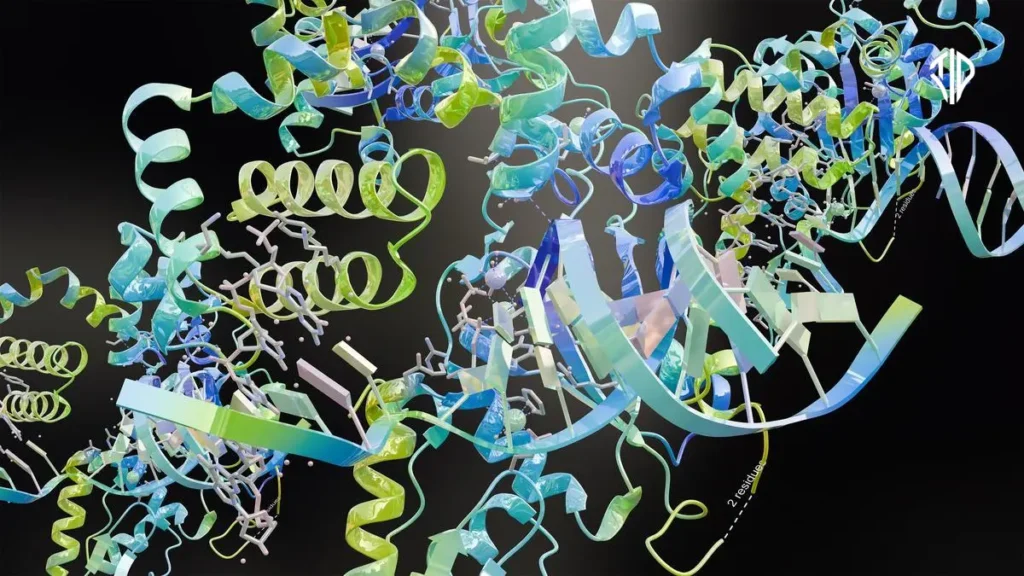
Researchers at Google have successfully developed a reliable method for embedding invisible cryptographic watermarks into synthetic proteins designed by artificial intelligence models. This breakthrough arrives at a crucial intersection of biotechnology and digital safety, offering a much-needed mechanism to monitor the origin of complex biological molecules crafted by automated systems. As generative biological models grow more sophisticated, the ability to trace synthetic design outputs becomes essential for global security standards.
The newly introduced watermarking technique integrates seamlessly with popular computational protein design pipelines. Much like digital watermarks embedded within AI-generated images or audio files, these biological identifiers imprint a distinct, detectable pattern directly into the molecular structure without compromising the protein’s folded stability or intended biological function. By altering specific amino acid sequences in non-critical regions, researchers can ensure that synthesized sequences carry a persistent signature recognizable only through dedicated verification tools.
This development addresses long-standing biosecurity concerns held by regulatory bodies and laboratory safety experts. While machine learning models have accelerated drug discovery, enzyme engineering, and materials science at an unprecedented rate, they also lower the technical barrier for designing novel biological agents. Implementing robust attribution measures helps ensure that misuse or unauthorized laboratory synthesis of high-risk sequences can be quickly identified and traced back to the computational tool that generated them.
How Protein Watermarking Works
Embedding a digital watermark into a physical biological molecule requires a delicate balance between data encoding and functional preservation. Proteins rely on precise three-dimensional folds dictated by their primary amino acid sequence to perform tasks such as catalysis or structural support. Altering this sequence arbitrarily can render the protein useless.
To bypass this limitation, the Google research team focused on synonymous codons and neutral mutations within flexible surface loops of the protein architecture. These areas tolerate minor variations without disrupting the core functional machinery.
The watermarking algorithm introduces a specific, statistically improbable pattern of amino acid preferences across these tolerant zones. When screening facilities sequence a newly synthesized protein, they can run the data through an algorithmic detector. The detector calculates the probability of the sequence occurring naturally versus being artificially engineered with the specific embedded watermark.
Implications for Biosecurity and Compliance
The deployment of standardized watermarking protocols could transform how DNA synthesis providers screen incoming orders. Currently, synthesis companies manually check requested genetic sequences against databases of known pathogens and regulated toxins. However, entirely novel proteins designed by generative models can bypass these traditional screening lists because their natural counterparts do not exist in standard databases.
With integrated watermarking, synthesis screening machines can automatically detect the presence of artificial signatures embedded by leading design frameworks. This capability shifts the security paradigm from reactive blacklist screening to proactive traceability.
Key Takeaways
- Enables automated tracking of generative biology outputs across global research networks.
- Preserves the functional utility of therapeutic proteins while embedding persistent signatures.
- Simplifies compliance verification for commercial DNA and RNA synthesis providers.
- Establishes a technical foundation for international standards in responsible AI biotechnology development.
Balancing Open Science and Risk Mitigation
The intersection of artificial intelligence and synthetic biology brings profound philosophical and practical debates regarding open-source access versus strict regulation. While making powerful protein design models publicly available democratizes medical research and speeds up the creation of life-saving therapeutics, it also raises the potential for misuse.
Watermarking acts as a middle ground that supports open research while retaining accountability. Developers of AI protein models can distribute their software freely while knowing that any downstream applications or generated sequences retain an indelible marker of their origin. This mirrors the trajectory of generative text and image models, which increasingly rely on provenance standards to maintain trust and accountability in public digital ecosystems.
As this technology transitions from academic research to widespread industry adoption, collaboration between tech giants, biotechnology firms, and regulatory policymakers will remain essential. Setting universal standards for biological watermarking ensures that the rapid advancements in computational biology continue safely, safeguarding public health without stifling innovation.
Join our community by subscribing to our Weekly Newsletter to stay updated on the latest AI updates and technologies, including the tips and how-to guides.
(Also, follow us on Instagram @tid_technology for more updates in your feed and our WhatsApp Channel to get daily news straight to your Messaging App).
