
Amazon Blocks Meta’s Muse AI Agent in E-Commerce Clash
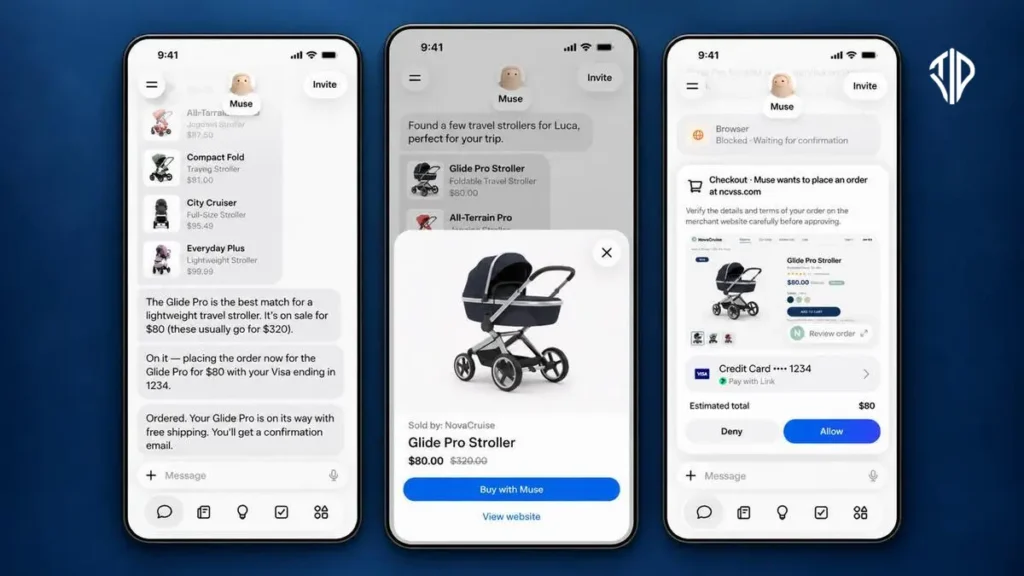
Amazon has officially moved to block Meta’s newly launched Muse AI agent from making purchases on its e-commerce platform. The retail giant argues that autonomous shopping tools operating on behalf of users pose significant security and privacy risks while failing to properly identify themselves.
The conflict marks one of the first major public clashes between dominant platform owners and tech companies developing agentic AI. As artificial intelligence systems gain the autonomy to execute complex tasks across the web, major platforms are beginning to establish firm boundaries.
Meta introduced Muse as an advanced AI agent designed to perform tasks on behalf of users, including completing e-commerce transactions. However, Amazon contends that Muse accesses its store and captures user credentials without disclosing its automated nature.
Amazon requires all third-party bots and automated systems to adhere to strict terms of service and transparent identification practices. When users attempt to run Muse-related shopping tasks on Amazon now, they encounter a pop-up block explaining that the AI lacks authorization.
Security Reassurances and Platform Policies
Meta has defended the technical architecture of its Muse agent, stating that it operates within a secure virtual machine environment. According to Meta, sensitive account credentials provided by users are stored securely and remain inaccessible to the AI model itself.
Despite these security reassurances, Amazon remains firm on its policy regarding external automation. The company insists that third-party applications making purchases on behalf of customers must operate openly and respect platform participation decisions.
Industry analysts point out that Amazon’s defense involves more than just immediate technical security concerns. The Seattle-based megacorporation generates tens of billions of dollars annually from digital advertising displayed across its product search and sponsored pages.
Disrupting the Advertising Model
Autonomous shopping agents bypass traditional browsing behavior, potentially disrupting the ad-driven product discovery model that forms a major revenue stream for modern e-commerce platforms. If AI agents directly execute purchases based solely on product utility or price, sponsored listings lose much of their marketing value.
Amazon is reportedly preparing similar blocks against upcoming shopping agents from other major players, including Google and OpenAI. This broader push suggests that web platforms will increasingly restrict automated agents that alter how consumers interact with online storefronts.
The unfolding situation highlights a growing tension in the digital economy over who controls user interactions online. As agentic AI capabilities expand, platform operators are moving quickly to protect their ecosystems, data streams, and business models from uninvited automation.
Key Takeaways
- Amazon has blocked Meta’s Muse AI agent from making purchases on its platform over security, privacy, and identification concerns.
- Meta claims Muse operates securely within a virtual machine and protects user credentials, but Amazon maintains its strict policies against unauthorized external automation.
- Autonomous shopping agents threaten the multi-billion-dollar ad-driven product discovery model relied upon by modern e-commerce giants.
- Amazon is expected to implement similar blocks against upcoming AI shopping agents from Google and OpenAI.
Join our community by subscribing to our Weekly Newsletter to stay updated on the latest AI updates and technologies, including the tips and how-to guides.
(Also, follow us on Instagram @tid_technology for more updates in your feed and our WhatsApp Channel to get daily news straight to your Messaging App).
