
For over a decade, Google has continuously evolved through extensive research and groundbreaking projects, consistently expanding its presence across diverse global domains. These initiatives focus on identifying critical opportunities and delivering innovative solutions. Google’s ongoing “under-research” and upcoming projects demonstrate the company’s deep commitment to technological advancement, often achieving profitability, much like its successful autonomous vehicle division, Waymo.
Google, a dominant tech-giant responsible for 86.86% of global searches and utilized by billions across its products and services, significantly contributes to worldwide technological advancements through its specialized ‘X Company’.
Established by Google in January 2010, X Company functions as a dedicated research and development organization, focused on revolutionary “moonshot” projects. These initiatives aim to enhance various sectors through advanced technology and innovation, consistently striving to develop eco-friendly and reliable products and services that benefit both humanity and the environment.

Taara: Advancing Free Space Optics Communications for Global Internet Access
Google’s ambitious mission to provide global internet and technology accessibility to everyone is significantly propelled by X Company’s innovative Taara project.
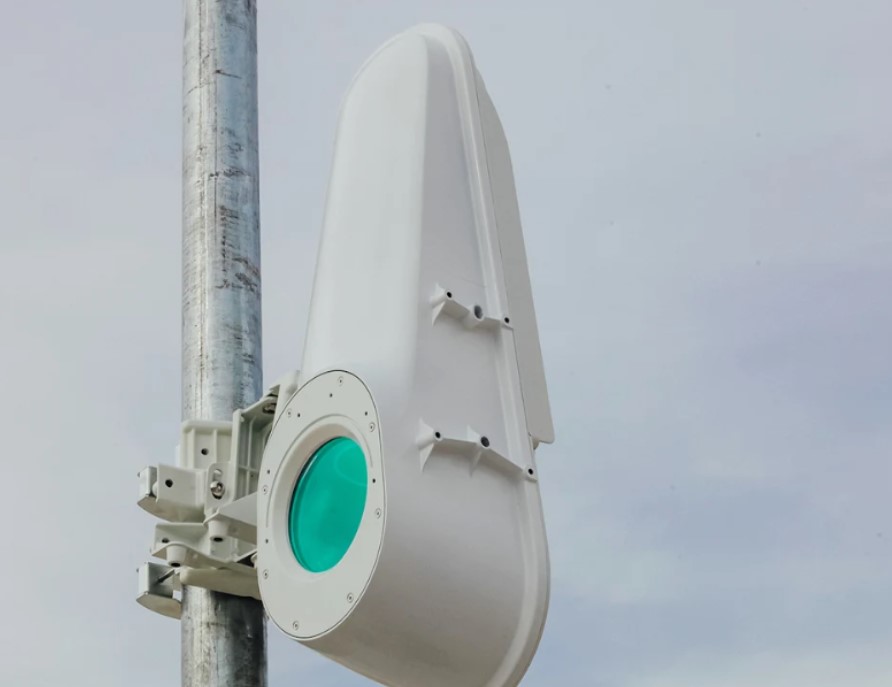
Taara aims to deliver internet and technology to remote areas where conventional infrastructure is economically unfeasible. This challenge is addressed by Free Space Optics Communications (FSOC). An innovative project from Google’s parent company, FSOC provides internet access to communities in challenging terrains like rural and mountainous regions using invisible beams of light. Taara’s technology transmits data via a highly focused light beam, capable of spanning over 20 kilometers from a single transmitter. This initiative promises to deliver reliable, high-speed broadband connectivity at 20 Gbps to previously unconnected populations.
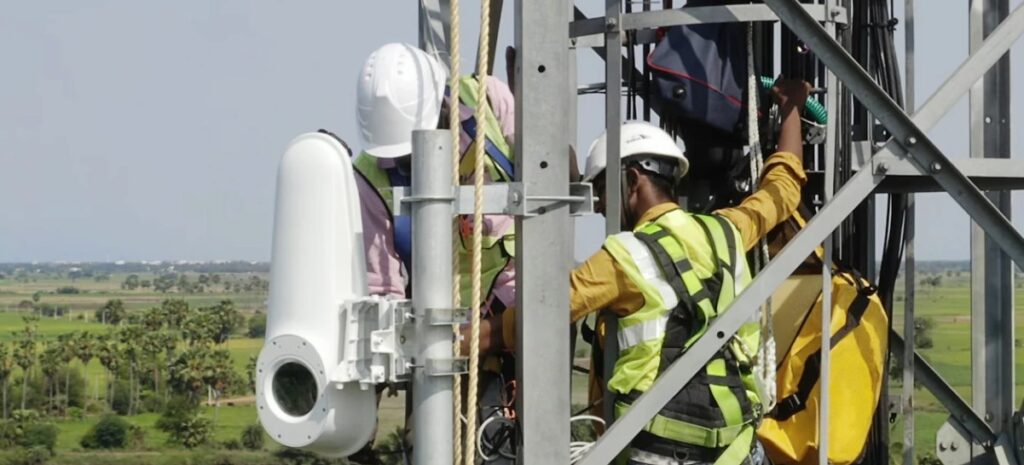
The Taara team has successfully piloted this cutting-edge technology in regions of India, specifically Andhra Pradesh, and across Africa. Taara’s light-based links effectively bridge crucial connectivity gaps to major access points, including cellular towers and significant WiFi hotspots. This enables thousands of individuals to access vital educational, business, and communication benefits offered by the internet.
Verily: Pioneering Innovation in the Medical Sector
X Company extends its expertise to the medical field through a dedicated project known as ‘Verily’. Verily strategically integrates technological advantages and advancements with data science to address prevalent diseases and other global health challenges impacting human well-being. The Verily team collaborates across technology, laboratory science, and medicine to develop innovative products that simplify disease detection and management.
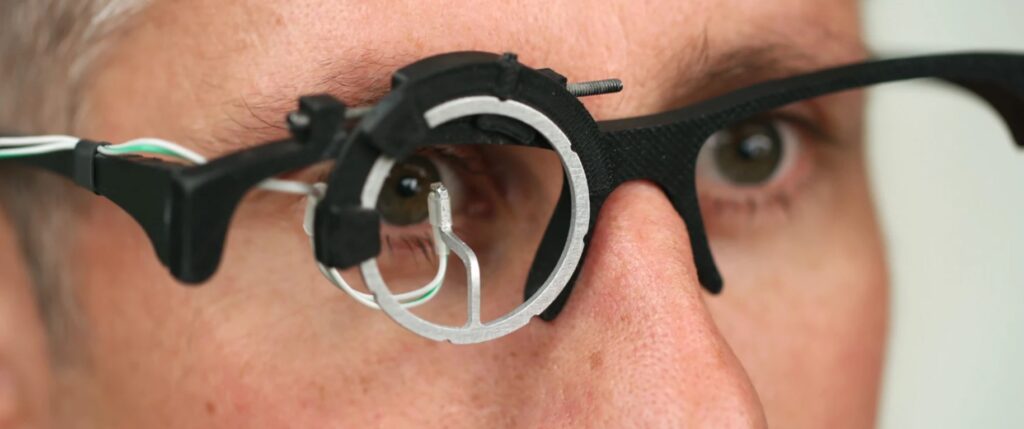
One notable breakthrough from Verily involves the use of tiny nanoparticles designed to circulate through the bloodstream. These nanoparticles can effectively identify and attach to specific cell types, such as cancer cells. This innovation significantly simplifies the early detection and diagnosis of various diseases.
Furthermore, Verily has developed a smart contact lens prototype. This innovative lens holds immense potential for accurately measuring various biological markers directly within the human eye, offering new avenues for health monitoring.
Tidal: Google’s Project for Ocean Conservation and Sustainable Food Systems
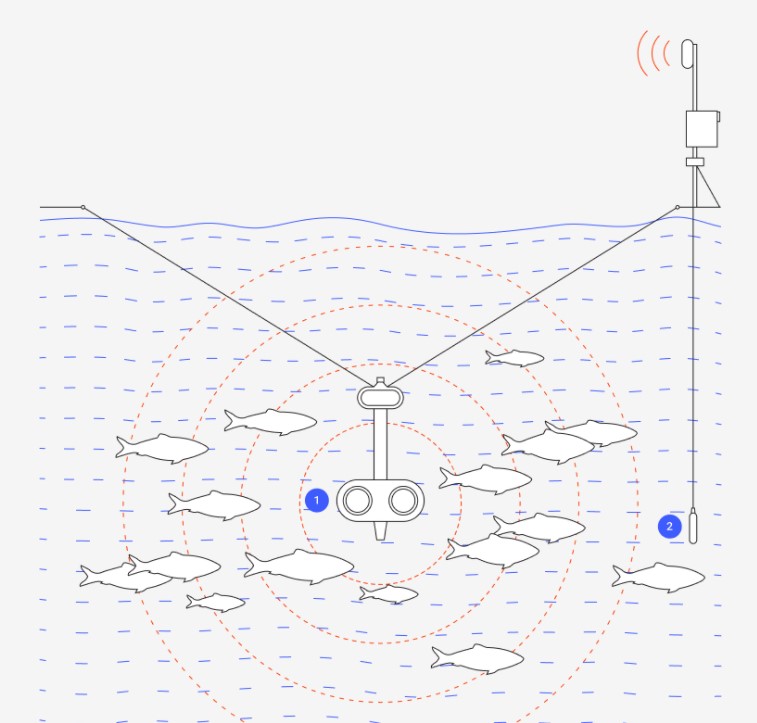
Tidal focuses on two critical missions: protecting the vital ocean ecosystem and promoting sustainable food sources for humanity. Oceans comprise over 70% of the Earth’s surface, yet they face increasing depletion due to human activities. Tidal actively addresses this challenge by deploying advanced underwater camera systems and sophisticated machine perception tools. These technologies provide unprecedented transparency into the ocean’s health, enabling better protection and development of marine life.
Beyond conservation, Tidal also leverages technology to sustainably meet the increasing global demand for protein, particularly fish. The project deploys innovative underwater tools designed to track, analyze, and nurture marine ecosystems, promoting healthier and more efficient fish farming practices. This process involves immersing a camera and computer vision system into the sea (1) to monitor marine movements, alongside environmental sensors (2) that collect crucial data like temperature and salinity. This comprehensive approach helps optimize fish farming conditions while actively preserving the marine environment. These robust tools are engineered to endure harsh conditions, including frigid temperatures, corrosive saltwater, and strong underwater currents.
Insufficient data from ocean environments often leads to disease outbreaks, increased pollution, and overall degradation. Consequently, the Tidal system is dedicated to discovering and implementing environmentally sound methods for operating and expanding aquaculture. This pioneering work aims to be crucial for both sustaining global food supplies and safeguarding the long-term health of our oceans.
Tidal commenced its journey with a small team at a laboratory-scale farm. Today, its testing operations have expanded significantly, including challenging environments in Norway, within the Arctic Circle, and across the North Sea.
Wing: Revolutionizing Logistics with Autonomous Drone Delivery
Wing represents Google’s X Company’s innovative autonomous drone delivery service, designed to rapidly transport products directly to consumers’ homes.
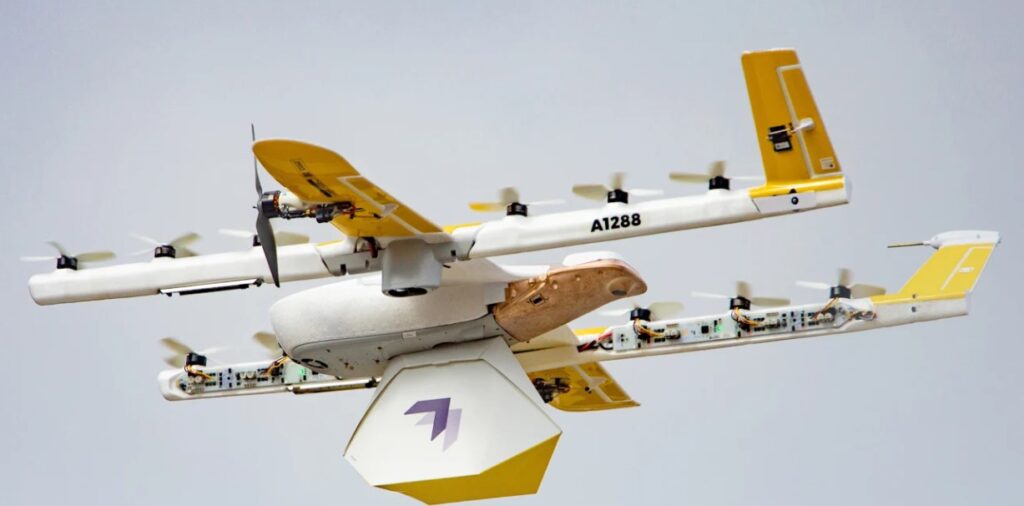
The autonomous delivery drone service, “Wing,” strives to enhance access to various goods, alleviate urban traffic congestion, and significantly reduce CO2 emissions from transportation, which currently accounts for 28% of greenhouse gas emissions. Additionally, Wing is developing an advanced Unmanned Traffic Management (UTM) platform. This system efficiently manages air traffic, enabling drones to navigate seamlessly alongside manned aircraft while avoiding obstacles such as buildings, trees, and towers. Capable of speeds up to 113 km/hr, Wing drones can operate at an altitude of 150 feet and are powered by a fully electric system, ensuring zero carbon emissions.

This dependable drone delivery service commenced operations in 2014, initially delivering goods to rural Queensland, Australia. By 2016, Wing expanded its services to the U.S. and subsequently to Finland, establishing its presence across three continents. Notably, Wing has successfully completed over 100,000 flight deliveries across these regions.
Explore Related Content
Waymo: Pioneering the Future of Self-Driving Mobility
Google is also keenly focused on transforming personal mobility, aiming for more convenient and reliable transportation through self-driving cars. Waymo, Google’s fully autonomous driving system, redefines travel as a “ride” rather than a “drive.” Equipped with 360-degree cameras, LiDAR, and radar sensors, Waymo vehicles can detect objects and obstacles in all directions, even in low-light conditions. The original self-driving car prototype developed by the Waymo team was affectionately nicknamed “Firefly.”
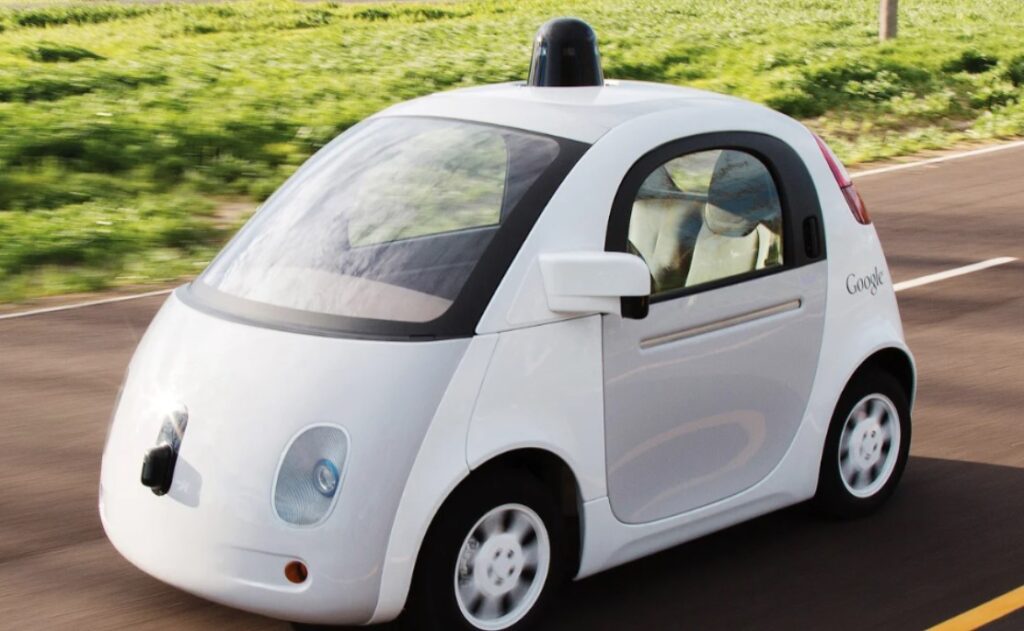
Initiating its self-driving car project in 2009, Alphabet (Google’s parent company) conducted its inaugural test runs using a modified Toyota Prius. This vehicle, equipped with autonomous driving capabilities, embarked on a mission to accumulate over 100,000 miles of self-driven operation on challenging public roads.
In 2015, Waymo captured global attention by successfully chauffeuring Steve Mahan, a legally blind individual, from a park to his doctor’s office. This landmark event marked the world’s first fully self-driving trip on public roads without human intervention. Today, Waymo vehicles have cumulatively driven over 20 million miles on public roads across 25 U.S. cities.
Continue to read (Click here!)…
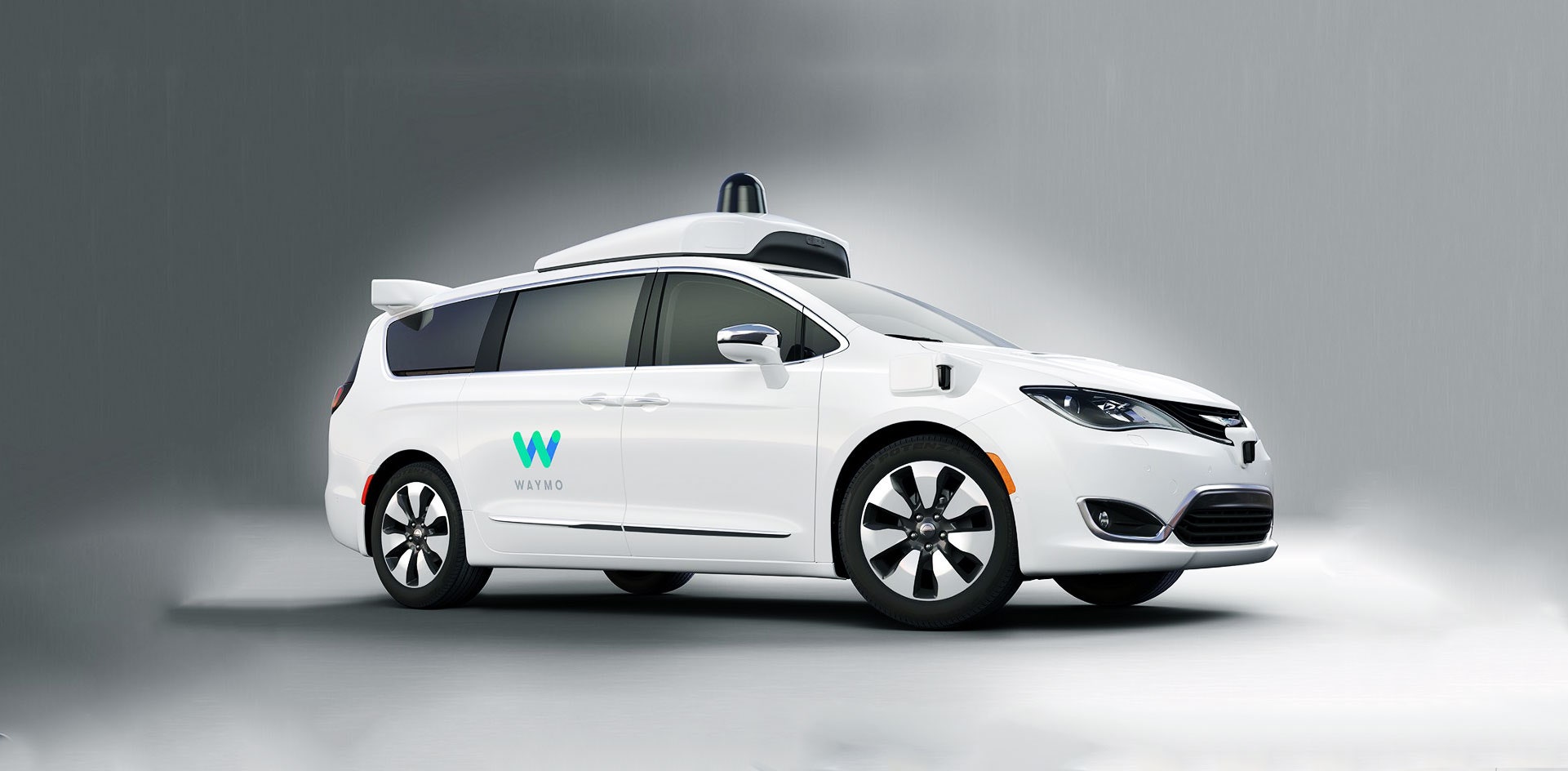
With recent regulatory approval in California, Waymo is now authorized to commence transporting passengers in its advanced robotaxis. The California Public Utilities Commission granted Waymo approval to participate in the “Autonomous Vehicle Passenger Service Pilot” program, marking a significant step for widespread autonomous mobility.
Continue Reading Google’s Upcoming Projects/Products: Part-2!
Join our community by subscribing to our Weekly Newsletter to stay updated on the latest AI updates and technologies, including the tips and how-to guides. Also, follow us on Instagram (@inner_detail) for more updates in your feed. For more such interesting informational, technology and innovation stuffs, keep reading The Inner Detail.






Pingback: Google’s Upcoming Projects / Products (Part II) – The Inner Detail
Pingback: A Day in Future with Smart Contact Lens would be like… – The Inner Detail