
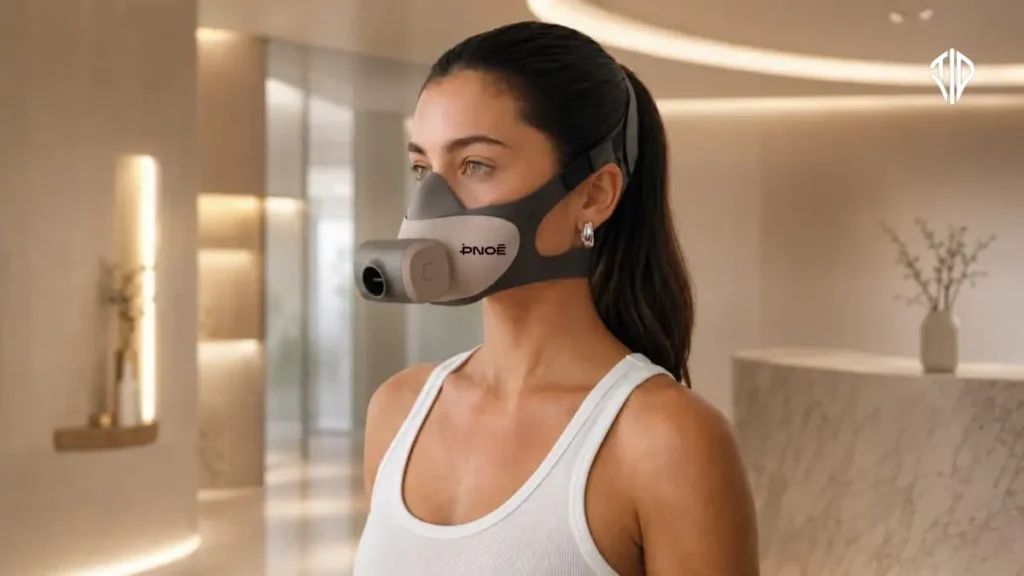
Evaluating metabolic health and athletic potential has traditionally required visiting a specialized sports science laboratory and wearing cumbersome, clinical-grade equipment. According to recent reports, health tech startup PNOE is changing this paradigm by introducing a streamlined, self-administered testing mask designed for everyday gym environments.
The upcoming device, known as the PNOE 2.0, aims to democratize advanced physiological tracking. By shrinking professional testing capabilities into an eight-minute, user-friendly process, the company hopes to make deep metabolic insights accessible to casual athletes and fitness enthusiasts alike.
The Mechanics of Self-Administered Metabolic Testing
The core function of the device revolves around indirect calorimetry. When a user wears the mask, it measures oxygen consumption and carbon dioxide expulsion with high precision. This exchange of gases provides a direct window into how efficiently the body utilizes energy during rest and exertion.
Traditionally, gathering this data meant booking time with an exercise physiologist, wearing a heavily wired harness, and running to exhaustion on a treadmill. The new self-serve model simplifies this by allowing a gym member to simply sit down, put on the device, press a start button, and breathe normally for roughly eight minutes.
Translating Breath Data Into Actionable Fitness Insights
Collecting respiratory data is only half the battle; translating raw numbers into practical habits is where consumer health technology adds value. The accompanying software processes the captured metabolic markers to generate personalized recommendations covering nutrition, training intensity, and overall longevity strategies.
By understanding whether the body relies more heavily on carbohydrates or fats for fuel at various intensities, users can tailor their workouts to specific goals such as endurance building, fat loss, or metabolic efficiency. This granular level of personal data was previously restricted to elite athletes and clinical patients.
Democratizing Quantified Health and Wellness
The commercial shift toward self-serve health technology reflects a broader trend in consumer wellness. People increasingly want clinical-grade data without clinical-level barriers like high costs, scheduling friction, or expert supervision.
While the aesthetic of the mask might draw playful comparisons to cinematic villains, its real-world implications lean firmly toward preventative health. As sensors become smaller, smarter, and easier to operate independently, fitness facilities are transforming into mini-labs capable of monitoring internal health metrics just as easily as they track external muscle movements.
Key Takeaways
- The PNOE 2.0 brings lab-grade metabolic testing out of specialized laboratories and directly into everyday gym environments.
- Testing takes only about eight minutes, utilizing indirect calorimetry to measure oxygen and carbon dioxide exchange during normal breathing.
- Advanced software translates respiratory data into tailored recommendations for nutrition, training intensity, and longevity.
- Self-serve health technology removes traditional clinical barriers like high costs, scheduling friction, and expert supervision.
Join our community by subscribing to our Weekly Newsletter to stay updated on the latest AI updates and technologies, including the tips and how-to guides.
Also, follow us on Instagram (@tid_technology) for more updates in your feed and our WhatsApp Channel to get daily news straight to your Messaging App.
