
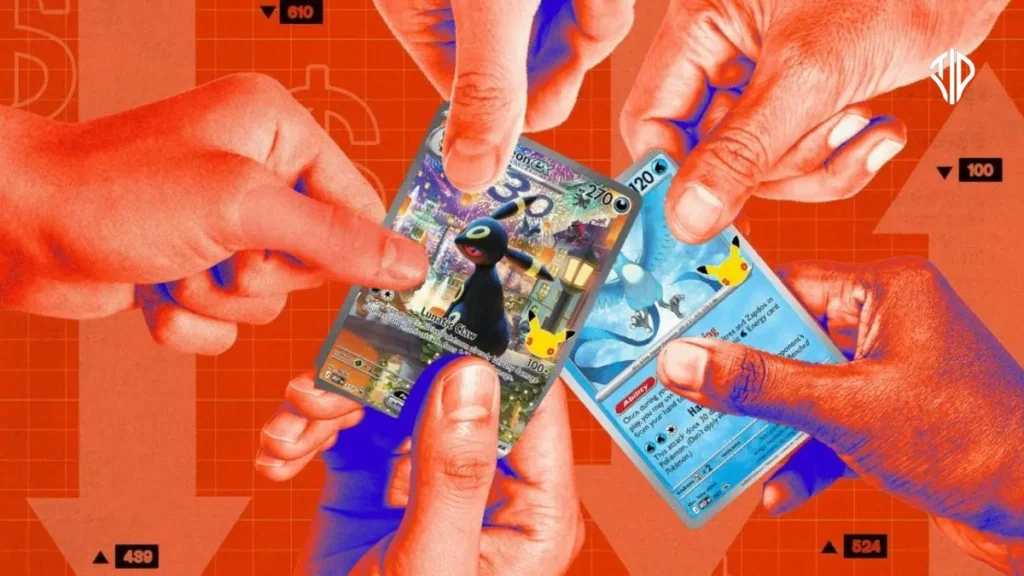
The Digital Transformation of Trading Card Collecting
The global phenomenon of trading card collecting has undergone a dramatic cultural shift over the past several years. What was once a casual hobby centered around neighborhood trade sessions and retail store shelves has transformed into a high-stakes digital marketplace. Automated purchasing software and online influencer hustle culture now dictate access to popular collectibles.
Retail Automation and Scalping Tools
At the center of this transformation is the aggressive deployment of retail automation tools. Scalpers and digital entrepreneurs utilize specialized software bots to bypass anti-scalper security measures on retail websites. These bots execute purchases within milliseconds of a product release, locking ordinary consumers out of standard retail pricing options.
The Infrastructure of Reselling: Cook Groups
The infrastructure supporting these operations often relies on subscription-based communities known as cook groups. Members pay monthly fees to access private servers that provide instant restock alerts, proxy IP addresses, and pre-configured checkout bots. This organized approach allows professional resellers to acquire massive inventories entirely hands-free.
Social Media Influence and Speculation
The intersection of social media influence and commercial speculation has further accelerated the trend. Content creators showcase massive stockpiles of unreleased or limited-edition merchandise, generating online controversy and driving secondary market values higher. Platforms designed for live-streamed unboxing events have also introduced dynamic pricing models that critics compare to digital gambling operations.
Market Interventions and Accessibility Challenges
Recent market interventions by manufacturers, such as increased production runs for milestone anniversary sets, have occasionally disrupted speculative pricing models. When high-volume printing floods the aftermarket with rare items, secondary speculators face sudden inventory devaluation. However, the fundamental accessibility challenges for younger hobbyists and casual collectors remain largely unresolved.
Economic Realities of Modern Consumer Culture
The evolution of hobby collecting highlights a broader economic reality within modern consumer culture. As digital tools lower the barrier for automated arbitrage, traditional pastimes increasingly compete with algorithmic scalpers. Preserving the accessibility of recreational hobbies requires ongoing adaptation from manufacturers and retailers against sophisticated purchasing bots.
Key Takeaways
- Trading card collecting has shifted from a casual hobby into a high-stakes digital marketplace driven by automation and influencers.
- Retail automation tools and specialized software bots allow scalpers to bypass security measures and buy products within milliseconds.
- Subscription-based cook groups provide resellers with instant restock alerts, proxy IPs, and pre-configured checkout bots.
- Social media unboxing events and content creators heavily influence secondary market values and speculative pricing.
- Manufacturers face ongoing challenges in maintaining hobby accessibility against algorithmic scalping and automated arbitrage.
Join our community by subscribing to our Weekly Newsletter to stay updated on the latest AI updates and technologies, including the tips and how-to guides.
(Also, follow us on Instagram (@tid_technology) for more updates in your feed and our WhatsApp Channel to get daily news straight to your Messaging App).
