
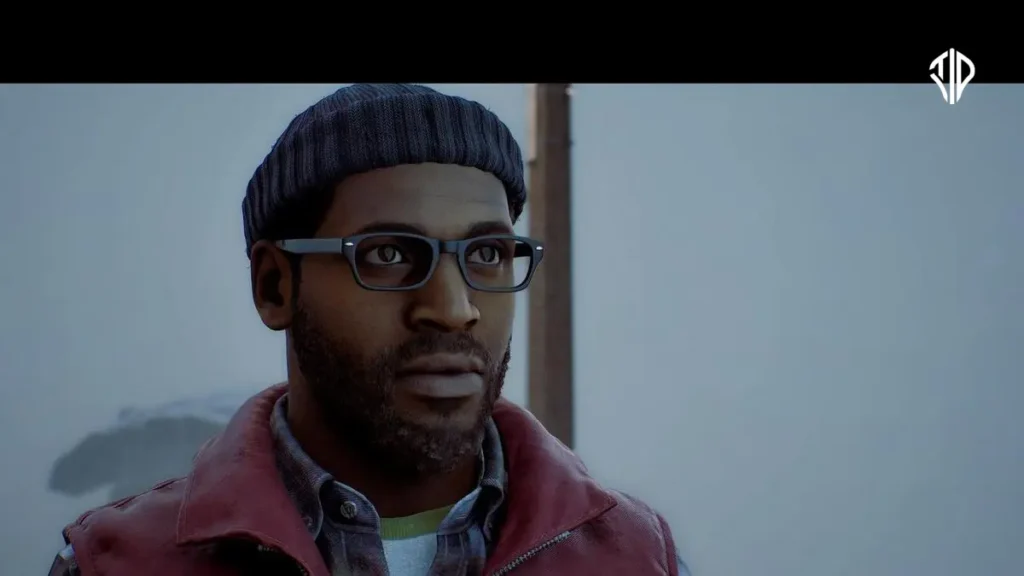
The Evolution and Resurgence of Survival Horror
For decades, survival horror stood as a cornerstone of interactive entertainment. Franchises like Resident Evil and Silent Hill defined generations of gaming through psychological dread and terrifying encounters.
Both intellectual properties eventually hit turbulent waters, facing questionable sequels, creative burnout, and cancelled projects. Today, the landscape looks remarkably different.
Resident Evil and Silent Hill are experiencing a triumphant resurgence. They are proving that classic horror concepts can evolve for modern audiences without losing their signature identity.
Resident Evil’s Modern Foundation and Success
Capcom laid the modern groundwork for Resident Evil nearly a decade ago. The shift to a first-person perspective injected visceral terror back into the foundational formula.
Since then, the studio has balanced bottom-up remakes of beloved classics with daring experimental titles. This strategy allowed recent entries to blend traditional survival mechanics with fast-paced action successfully.
Film and streaming adaptations are also finding their footing. Recent theatrical releases have embraced the player perspective, driving strong box office numbers and shifting away from forgettable adaptations of the past.
Silent Hill’s Return and Creative Risks
Silent Hill followed a similar trajectory after years of dormancy. Konami signaled a major franchise return by greenlighting ambitious projects that spanned multiple gaming subgenres.
The modern remake of Silent Hill 2 successfully introduced psychological horror to a new generation of players. Meanwhile, spin-offs like Silent Hill F explored fresh cultural settings and narrative structures.
The arrival of Silent Hill: Townfall pushes the boundaries of the series even further. Developed by an indie studio known for atmospheric exploration, the game swaps heavy combat for stealth and dread.
By adopting exploration mechanics reminiscent of narrative walking simulators, Townfall focuses on organic storytelling. Players comb through abandoned environments, piecing together a dark narrative while evading unpredictable monsters.
This creative risk-taking highlights a broader industry shift. Developers are no longer afraid to reinvent legacy intellectual properties to suit modern player expectations and pacing.
The concurrent success of these two giants proves that horror gaming is more vital than ever. By embracing innovation while respecting source material, both franchises have secured their future in the modern entertainment landscape.
Key Takeaways
- Resident Evil and Silent Hill are experiencing triumphant modern resurgences after periods of creative burnout.
- Capcom revitalized Resident Evil by shifting to a first-person perspective and balancing remakes with experimental titles.
- Silent Hill has returned through ambitious projects spanning multiple gaming subgenres and fresh cultural settings.
- Titles like Silent Hill: Townfall demonstrate a willingness to embrace narrative exploration, stealth, and atmospheric dread over traditional combat.
- Both franchises prove that legacy intellectual properties can evolve successfully for modern audiences while honoring their origins.
Join our community by subscribing to our Weekly Newsletter to stay updated on the latest AI updates and technologies, including the tips and how-to guides.
(Also, follow us on Instagram (@tid_technology) for more updates in your feed and our WhatsApp Channel to get daily news straight to your Messaging App).
