
Motorola’s Ambitious Play with the Signature 27
Motorola is making its most ambitious play yet in the premium smartphone segment with the upcoming release of the Signature 27. Aiming to compete directly with devices like the newly released Google Pixel 11, the company faces deep-seated skepticism from tech enthusiasts.
Discussions across enthusiast communities highlight the uphill battle Motorola faces in capturing market share. While the device attempts to match high-end specifications, winning over brand-loyal users requires overcoming long-standing perceptions about software updates and design choices.
Hardware Power Meets Unconventional Design
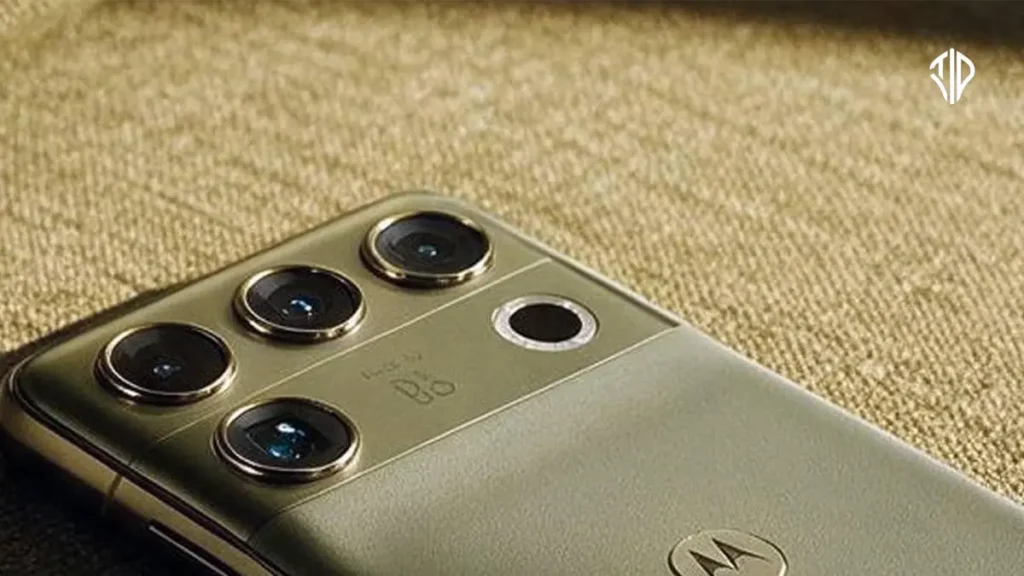
The hardware package on the Signature 27 is undeniably formidable. It features a high-end 50-megapixel Sony LYTIA main sensor alongside a 200-megapixel periscope telephoto lens.
However, consumer reception has been polarized primarily due to its unconventional camera module layout. Critics have pointed out that the complex design aesthetic detracts from an otherwise premium physical build.
GrapheneOS Support and the Software Hurdle
One of the most intriguing aspects of the Signature 27 is its support for GrapheneOS. This privacy-focused operating system traditionally appeals to a niche audience of security-conscious users.
Historically, GrapheneOS has been almost exclusively associated with Google Pixel devices. While the inclusion broadens the appeal for privacy advocates, it places the Signature 27 in direct competition with the very phones that popularized the platform.
Software update longevity remains the single biggest hurdle for Motorola in the flagship category. Past delays in rolling out new Android versions have left a lasting impression on power users.
Although Motorola has promised seven years of operating system and security upgrades for the Signature 27, skepticism runs deep. Competitors like Google have established a more predictable, even if occasionally buggy, update cadence that users have come to expect.
The Future of the Signature 27
Despite these hurdles, the introduction of a new high-end Android contender is widely viewed as a positive development for the ecosystem. Healthy competition pushes manufacturers to refine their hardware and software offerings.
Whether the Signature 27 can carve out a meaningful space remains to be seen. Its success will depend on flawless execution of its promised support and proving that its hardware can overcome historical brand perceptions.
Key Takeaways
- The Motorola Signature 27 aims to compete in the premium smartphone market against devices like the Google Pixel 11.
- The device boasts impressive hardware, including a 50-megapixel Sony LYTIA sensor and a 200-megapixel periscope telephoto lens, though its camera module layout has drawn mixed reviews.
- It features support for GrapheneOS, traditionally a staple of Google Pixel devices, appealing to privacy-conscious users.
- Motorola promises seven years of software updates, though past update delays leave power users skeptical.
Join Our Community
Join our community by subscribing to our Weekly Newsletter to stay updated on the latest AI updates and technologies, including the tips and how-to guides.
*(Also, follow us on Instagram (@tid_technology) for more updates in your feed and our WhatsApp Channel to get daily news straight to your Messaging App).*
