
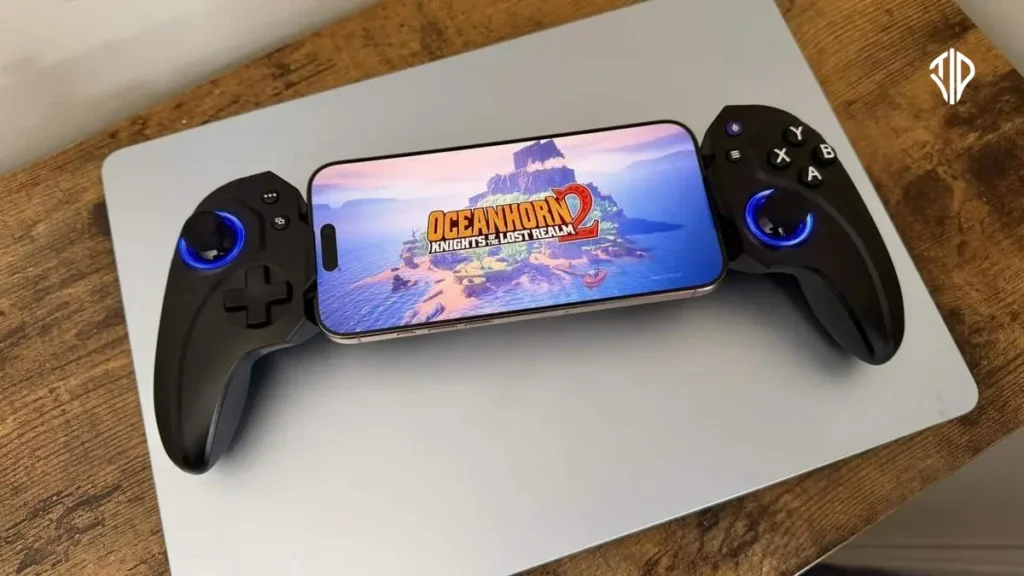
Apple is reportedly developing dedicated game controllers designed specifically for the iPhone, potentially marking a significant expansion of its gaming ecosystem.
These devices are expected to be marketed under the Beats brand, signaling a shift in how the tech giant approaches high-performance mobile entertainment.
For years, the iPhone has been a powerhouse of mobile gaming, boasting hardware that rivals dedicated consoles. However, the reliance on touchscreen controls has often created a gap between the potential of the software and the precision of the user experience.
Think of it like a professional photographer using a smartphone to capture an image. While the phone’s sensor is capable of producing stunning results, adding a tripod or a specialized lens turns that same device into a serious tool for photography. Similarly, while an iPhone can run console-quality games, the introduction of a dedicated controller transforms the device from a casual gaming handset into a legitimate portable console.
By bringing specialized hardware to the market, Apple is acknowledging that the future of mobile gaming requires more than just processing power. It requires the physical feedback, responsiveness, and ergonomics that only a dedicated controller can provide.
Key Takeaways
- Apple is developing dedicated iPhone game controllers under the Beats brand.
- The initiative aims to bridge the gap between touchscreen limitations and console-quality gaming performance.
- Strategic use of the Beats brand allows Apple to enter the gaming hardware market while maintaining its premium Apple ecosystem image.
- Features are expected to include low-latency connectivity, optimized haptics, and seamless integration with iOS.
The Evolution of Apple’s Gaming Strategy
Apple has long occupied a unique space in the gaming industry. With the App Store serving as a massive repository for titles ranging from casual puzzles to complex, graphics-heavy epics, the company has successfully attracted both casual players and hardcore enthusiasts. Yet, the lack of first-party hardware designed to interface with these games has left a segment of the market underserved.
Reports suggest that the tech giant is currently working on two distinct controller models. While early hints were discovered within the internal code of macOS 26.7, industry experts like Mark Gurman have clarified that these tools are intended for the iPhone. This discovery confirms that Apple is not just interested in software compatibility; they are committed to providing the tactile hardware necessary for a premium gaming experience.
Why the Beats Brand?
The decision to potentially market these controllers under the Beats brand is a masterclass in strategic product positioning. Apple often utilizes its subsidiary brands to explore new product categories.
This approach allows the company to test consumer reception and iterate on design without directly altering the core Apple aesthetic or pricing structure of its flagship lineup.
Beats is already synonymous with audio performance and youth-oriented culture. By aligning a new gaming hardware line with the Beats name, Apple can tap into an existing market of gamers who already associate the brand with high-quality, reliable, and stylish technology.
Key Advantages of First-Party Controllers
Integrating a proprietary controller into the Apple ecosystem offers several advantages that third-party alternatives simply cannot match:
- Seamless Connectivity: Users expect a plug-and-play experience. Apple’s history of ecosystem integration suggests that these controllers will likely pair with iPhones instantly, much like AirPods or the Apple Watch.
- Optimized Latency: Lag is the enemy of the gamer. By designing both the hardware and the software, Apple can minimize input latency, ensuring that the button press on the controller results in an immediate action on the screen.
- Customized Software Integration: These controllers could feature unique hardware hooks that allow iOS to automatically switch to game mode, adjust haptic feedback settings, or even trigger specific performance profiles for demanding titles.
- Durability and Ergonomics: Drawing from the high standards of Apple’s hardware design team, these controllers will likely prioritize comfort for long play sessions, a common pain point with current portable gaming solutions.
Comparing Mobile Gaming Options
To understand the significance of this move, we must look at the current state of mobile gaming hardware:
| Feature | Touchscreen | Third-Party Controllers | Apple/Beats Controllers |
|---|---|---|---|
| Precision | Low | High | High (Optimized) |
| Portability | Excellent | Variable | Excellent |
| Integration | Native | Manual Pairing | Seamless Ecosystem |
| Design | N/A | Varies | Premium/Unified |
The Impact on the Mobile Gaming Market
The introduction of first-party gaming hardware could be the catalyst that shifts the iPhone into a dominant position in the portable console market. As developers continue to bring AAA titles to the mobile platform, the demand for precise controls has never been higher.
If Apple manages to create a controller that feels as natural to the iPhone as a console controller feels to a PlayStation or Xbox, they will effectively lower the barrier to entry for high-end mobile gaming.
This does not just benefit hardcore gamers; it expands the total addressable market by making sophisticated games accessible to users who previously found touch controls unintuitive or frustrating.
Challenges and Considerations
Despite the clear benefits, Apple faces several hurdles. The mobile gaming market is crowded, and third-party manufacturers have spent years building reliable, affordable controllers. To succeed, Apple must demonstrate that its offering provides value that justifies the potential premium pricing.
Furthermore, Apple must ensure that its controller ecosystem is open enough for a wide range of developers to optimize their titles. If the controller only works with a limited selection of Apple Arcade games, its appeal will be restricted. Widespread adoption requires broad compatibility across the App Store.
The Future of Apple’s Ecosystem
This venture represents more than just a new accessory; it is a signal that Apple views gaming as a foundational pillar of its long-term strategy. As hardware continues to reach the limits of what a flat, touch-only glass rectangle can provide, peripheral hardware becomes the next logical step in the evolution of the user experience.
By bridging the gap between mobile utility and console-level control, Apple is setting the stage for a future where the iPhone is the only device a gamer needs to carry.
Join our community by subscribing to our Weekly Newsletter to stay updated on the latest AI updates and technologies, including the tips and how-to guides. (Also, follow us on Instagram (@inner_detail) for more updates in your feed).
(For more such interesting informational, technology and innovation stuffs, keep reading The Inner Detail).
